Uncovering the Beauty of the Istanbul Modern Art Museum
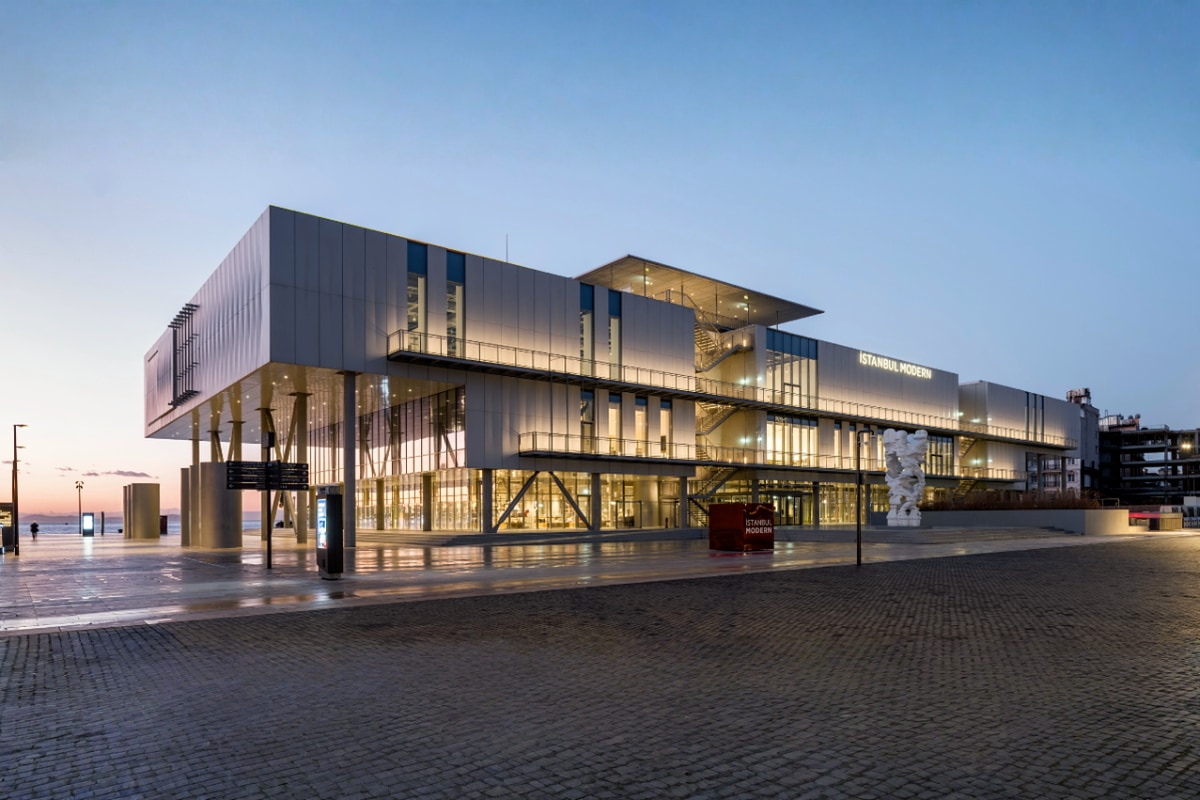
Istanbul is a city defined by its ability to bridge the gap between two continents and two distinct states of mind: the deeply historical and the rapidly modern. While the silhouette of the city is often associated with ancient minarets and imperial walls, the cultural heartbeat of the metropolis is increasingly driven by contemporary creativity. Standing proudly along the Bosphorus waterfront, the Istanbul Modern Art Museum represents the pinnacle of this artistic evolution. As we move through February 2026, this institution continues to redefine the visitor experience, offering a lens through which to view the complexities and beauty of modern Turkish identity.
For travelers and art enthusiasts alike, a visit to Istanbul Modern is more than just a gallery tour; it is an immersion into the soul of the city’s present-day narrative. The museum serves as a dynamic platform for artistic expression, housing a vast collection that spans from the mid-20th century to the cutting-edge works of today. Its location, strategically situated near the historic district that houses the Dolmabahçe Palace, creates a fascinating cultural corridor where the grandeur of the Ottoman Empire meets the minimalist elegance of the 21st century. This juxtaposition invites visitors to reflect on how the city has transformed over the decades while maintaining its unique charm.
A Masterpiece of Architecture on the Bosphorus
Before even stepping inside to view the artwork, the building itself demands attention. Designed by the renowned architect Renzo Piano, the structure is a testament to transparency and light. The architecture is deliberately designed to interact with its environment, specifically the shimmering waters of the Bosphorus. Large glass façades reflect the changing moods of the sea and the sky, blurring the boundaries between the art housed within and the living art of the city outside. The design philosophy echoes the industrial maritime history of the Karaköy port while propelling it into a sleek, sustainable future.
The interior spaces are equally impressive, offering expansive galleries that allow large-scale installations to breathe. The interplay of natural light creates an ever-changing atmosphere, ensuring that no two visits feel exactly the same. Visitors can navigate through the floors via a spectacular central staircase that serves as the spine of the building, connecting various artistic disciplines. Just as one might explore the distinct Palace Sections of a historical residence to understand its function, moving through the levels of the Istanbul Modern reveals the different layers of artistic production, from photography and cinema to sculpture and new media.
Exploring the Collection: Contemporary Turkish Art
The core mission of the Istanbul Modern is to collect, preserve, and exhibit modern and contemporary art from Türkiye. The permanent collection offers a chronological and thematic journey through the development of painting and sculpture in the country. It highlights how Turkish artists have interpreted global trends like Cubism, Abstract Expressionism, and Conceptual Art, blending them with local motifs and social commentary. This synthesis creates a visual language that is uniquely Turkish yet universally understood.
Visitors can expect to encounter a diverse range of mediums and styles:
- Modernist Paintings: Works from the mid-20th century that showcase the transition from figurative to abstract forms.
- Large-Scale Installations: Immersive pieces that challenge spatial perception and encourage audience interaction.
- Photography Gallery: A dedicated space documenting the evolution of photography in Türkiye, capturing the changing landscapes of Anatolia and the urbanization of Istanbul.
- New Media Art: Digital and video works that address contemporary issues such as technology, identity, and globalization.
These exhibitions do not merely display beauty; they provoke thought regarding the social and political transformations of the region. Much like the complex History of Dolmabahçe reflects the shifting tides of the late Ottoman era, the artworks here reflect the pulse of the Republic and the modern age.
The Cultural Corridor: From Imperial to Modern
One of the most compelling aspects of visiting the Istanbul Modern is its proximity to other significant landmarks, specifically Dolmabahçe Palace. Located just a scenic walk or a short tram ride along the waterfront, the connection between these two sites offers a perfect day of contrasting experiences. You can begin your morning surrounded by the gold-leafed opulence and crystal chandeliers of the 19th-century palace, and spend your afternoon amidst the concrete, glass, and avant-garde expressions of the museum.
This proximity allows for a unique travel itinerary that covers the full spectrum of Istanbul's heritage. After marveling at the ceremonial halls of the palace, walking towards the museum allows you to physically trace the timeline of the city. While the palace represents the final, western-influenced chapter of the empire, the museum represents the confident, forward-looking face of the nation. For those planning this dual excursion, checking the Visiting Info for the palace beforehand is crucial to align opening hours, as both institutions can be busy, especially on weekends.
Connecting the Dots: A Comparative Overview
To help you visualize the contrast between these two neighboring giants of culture, here is a quick comparison of what they offer to the curious traveler:
| Feature | Dolmabahçe Palace | Istanbul Modern |
| Primary Focus | Imperial History & Ottoman Luxury | Contemporary Creativity & Abstract Ideas |
| Architectural Style | Neoclassical, Baroque, Rococo | Contemporary, Industrial, Transparent |
| Key Experience | Walking through the Ceremonial Hall | Interacting with Digital Installations |
| Atmosphere | Grand, Formal, Nostalgic | Sleek, Quiet, Thought-Provoking |
Beyond the Galleries: The Visitor Experience
The Istanbul Modern is designed as a living space, not just a repository for objects. The museum houses a specialized library dedicated to art history, offering a quiet refuge for researchers and students. Furthermore, the on-site cinema features a curated selection of independent films and documentaries, often highlighting Turkish directors who are making waves on the international festival circuit. This multidisciplinary approach ensures that the museum acts as a cultural hub rather than a static showroom.
After exploring the exhibitions, visitors often flock to the museum café and restaurant. With a terrace that offers panoramic views of the Historical Peninsula—including the Topkapı Palace and Hagia Sophia across the water—it is one of the best spots in the city to enjoy a coffee. Sitting here, looking back at the ancient city from a modern vantage point, perfectly encapsulates the essence of Istanbul. It is a place where history is always in sight, even as you embrace the future.
Practical Tips for Art Lovers
To make the most of your visit to the Istanbul Modern, timing is everything. Weekday mornings are generally quieter, allowing for a more intimate connection with the art. If you are visiting in February 2026, be sure to check the temporary exhibition schedule, as the museum frequently hosts rotating shows from international artists and institutions. The location is easily accessible via the tram line that runs along the coast, making it a convenient stop for anyone exploring the Karaköy and Kabataş districts.
Remember that the area surrounding the museum has recently undergone significant renovation, transforming into a vibrant promenade filled with cafes, design shops, and restaurants. It is highly recommended to allocate enough time not just for the museum, but for wandering the waterfront promenade that links the art complex back towards the historical zones. Whether you are a serious art critic or a casual traveler looking for inspiration, the Istanbul Modern offers a refreshing and sophisticated perspective on this timeless city.
Related Posts
Back to All Posts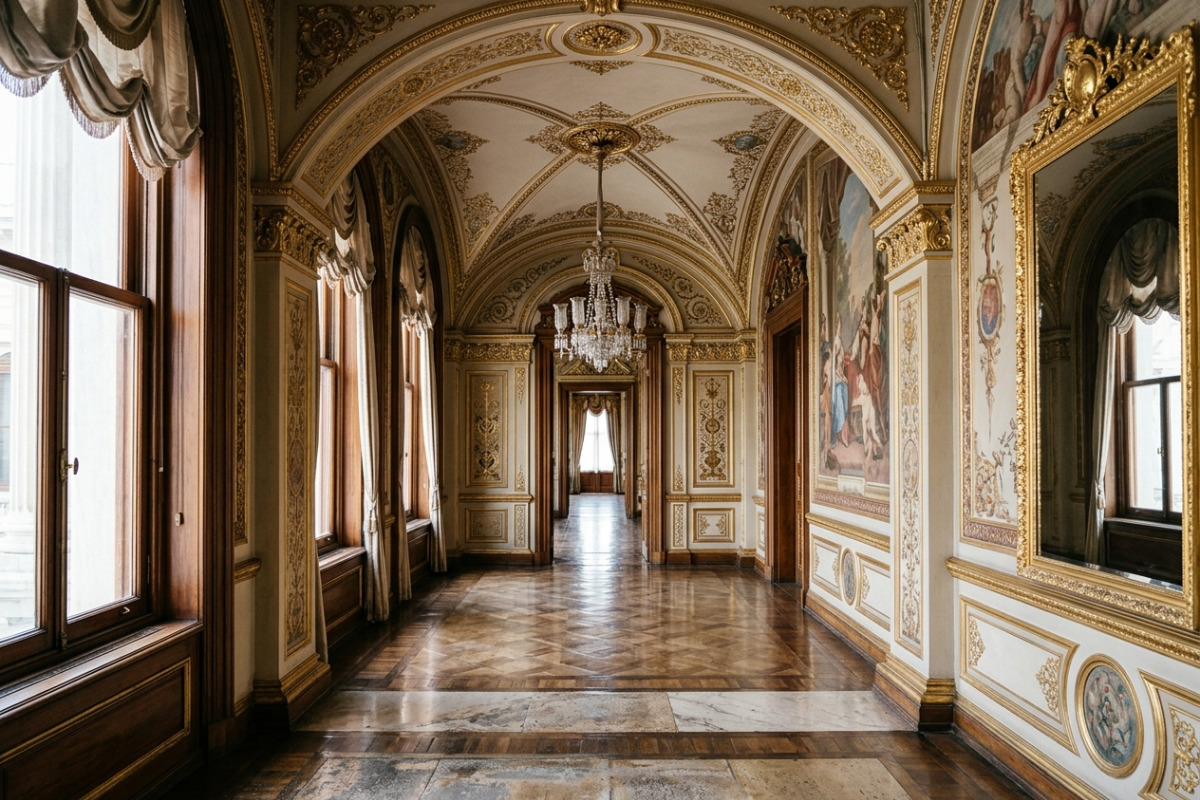
Browse Other Stories
Discover the history in other corners of the palace.