History of Dolmabahçe
The story of this unique palace rising on the shores of the Bosphorus, the modern face of the Ottoman Empire and the memory of the Republic of Turkey.
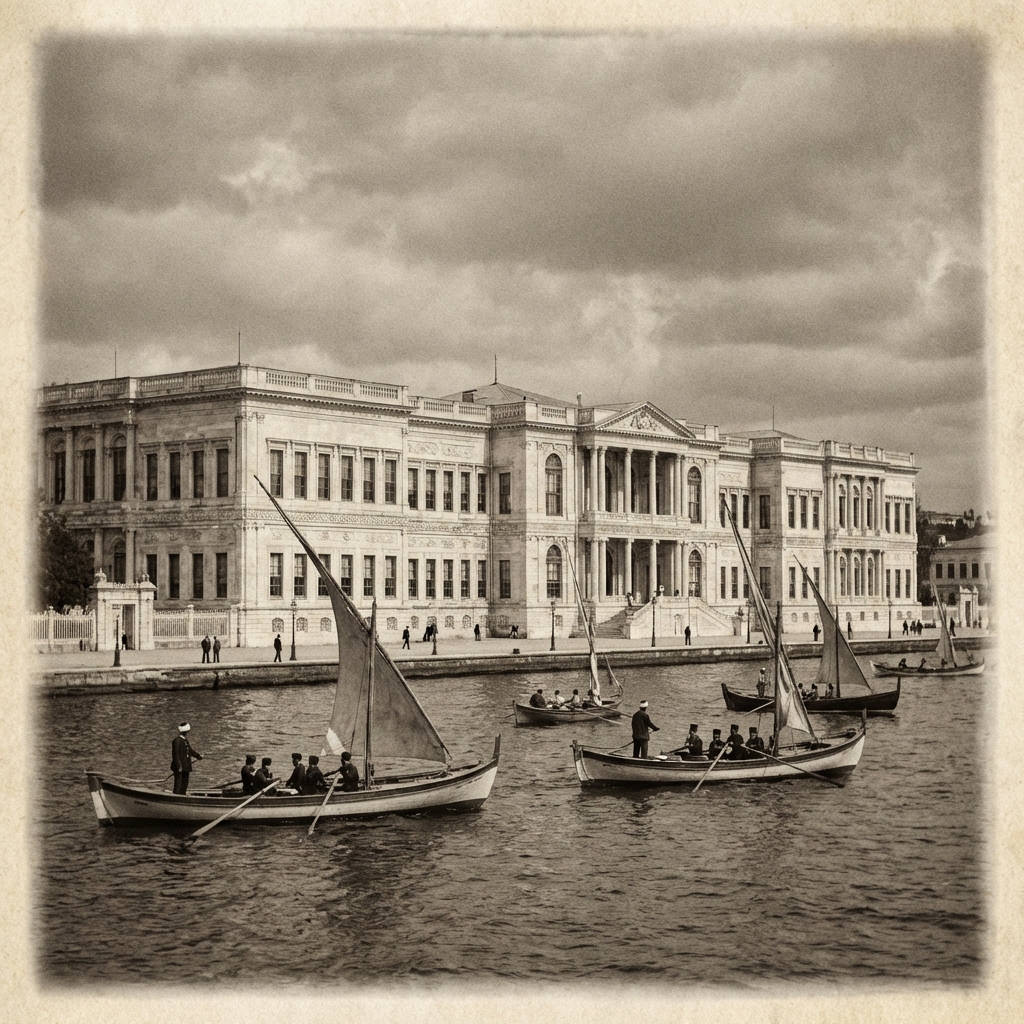
Beşiktaş Waterfront Palace - 19th Century
Construction and Foundation
I It was built by Sultan Abdülmecid to show the power and modern face of the Empire to the world. The construction of the palace, which was built in place of the Beşiktaş Waterfront Palace, started in 1843 and was completed in 1856.
Designed by the leading architects of the period, Garabet Amira Balyan and his son Nigoğos Balyan, the building is a unique synthesis of traditional Ottoman architecture and Western Baroque, Rococo, and Neoclassical styles.
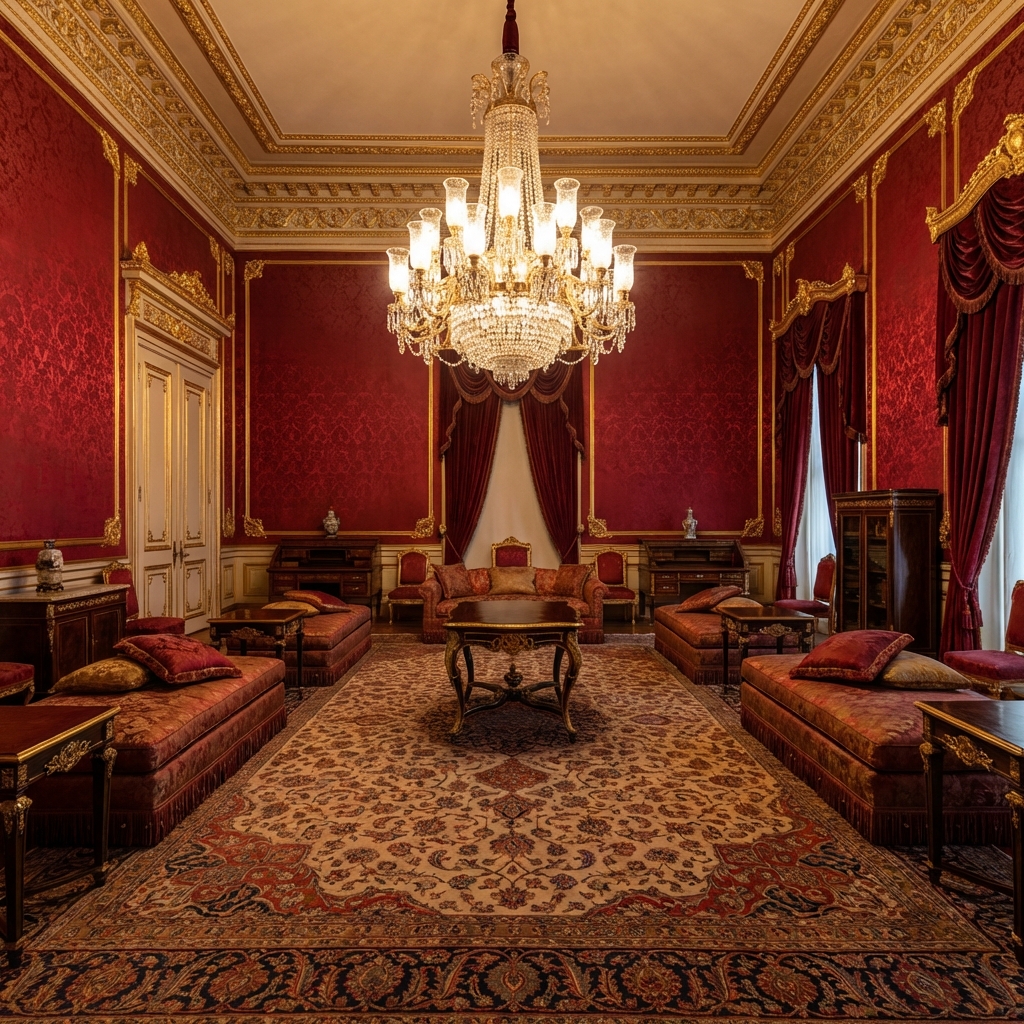
Mâbeyn-i Hümâyûn - Red Room
Administrative Center and Grandeur
Dolmabahçe Palace hosted 6 sultans and the last Caliph Abdülmecid Efendi periodically from 1856 until the abolition of the caliphate in 1924. Many critical decisions during the late Ottoman Empire were made within these walls.
The palace consists of three main parts: Mâbeyn-i Hümâyûn (Selamlık), Muâyede Hall (Ceremonial Hall), and Harem-i Hümâyûn (Harem). It is a massive complex with 285 rooms, 44 halls, 68 toilets, and 6 baths.
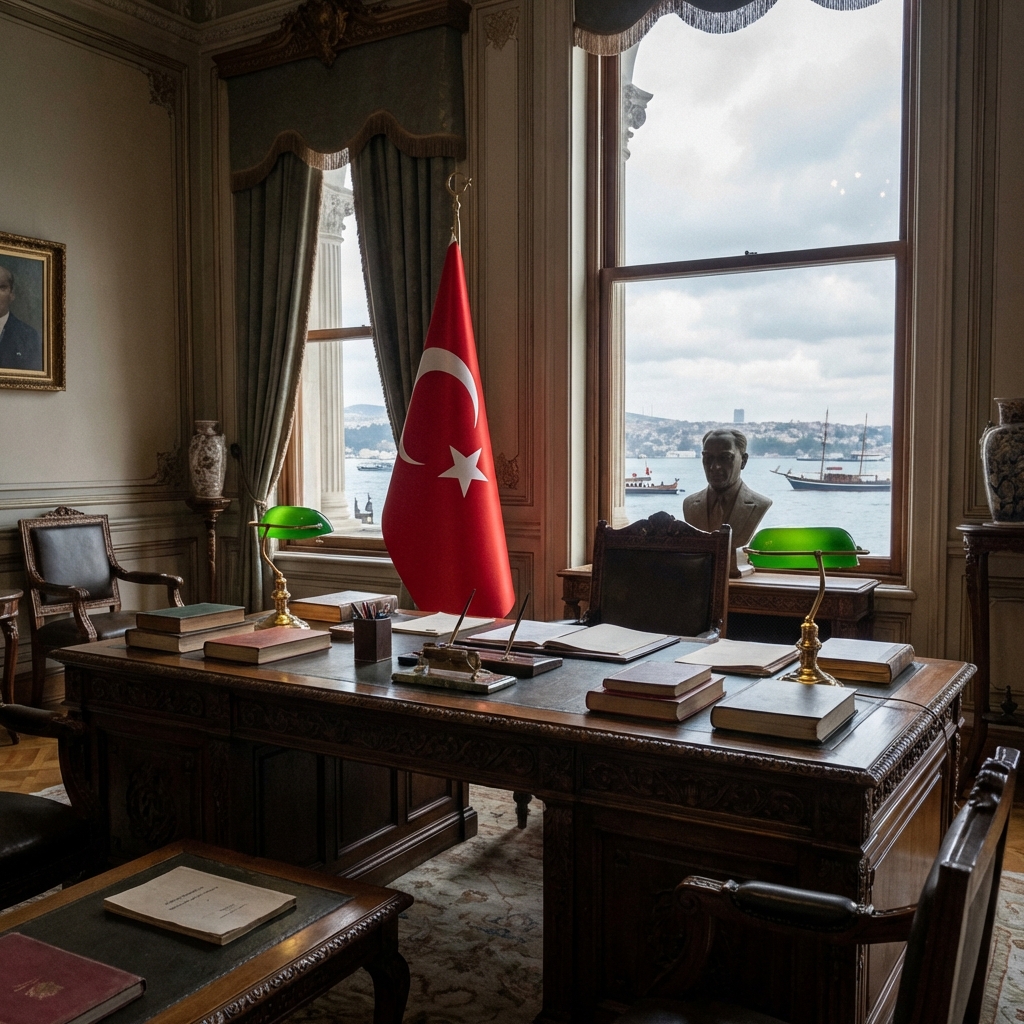
Gazi Mustafa Kemal Atatürk's Study Room
Republic and Atatürk
With the proclamation of the Republic, Dolmabahçe Palace began to be used as the Presidential office and became a prestigious venue where foreign heads of state were hosted.
"My humble body will surely turn to dust one day, but the Republic of Turkey will stand forever."
Gazi Mustafa Kemal Atatürk used the palace during his work in Istanbul and passed away here on November 10, 1938. For this reason, the palace has a special spiritual value for the Turkish nation.