The Bosphorus's Baroque Jewel: Bezmialem Valide Sultan Mosque
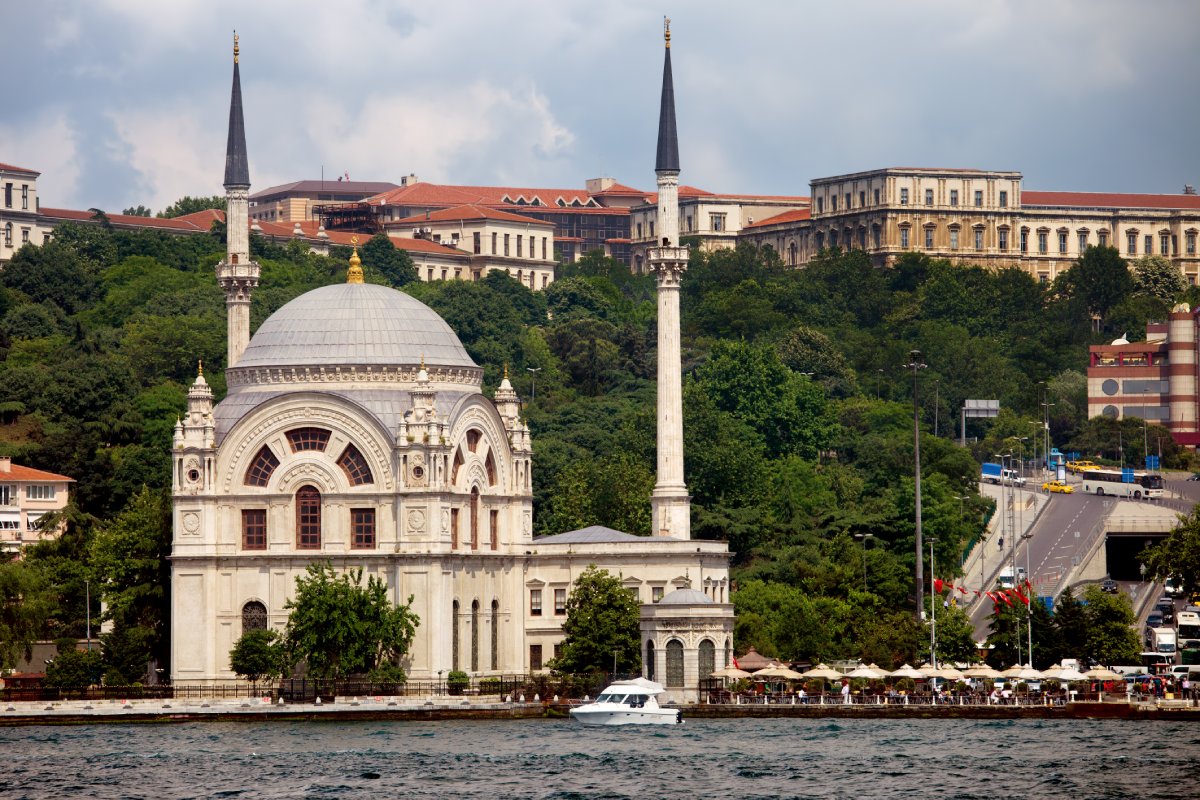
Istanbul, a city brimming with history, boasts architectural marvels at every turn. Among these, the Bezmialem Valide Sultan Mosque, also known as the Dolmabahçe Mosque, stands out with its unique blend of Baroque and Empire styles. Situated elegantly on the Bosphorus waterfront, just before the grand gates of Dolmabahçe Palace, this mosque marks a transition from classical Ottoman architecture to a more Westernized aesthetic. Completed in 1855, it reflects 19th-century Istanbul's evolving artistic sensibilities and its connection to the Bosphorus. This architectural gem offers a unique glimpse into the Westernization efforts of the late Ottoman Empire. Planning a visit to Dolmabahçe Mosque? Read on!
History: Bezmialem Valide Sultan's Legacy
The story of this elegant structure begins with Bezmialem Valide Sultan (c. 1807 – May 2, 1845), one of the Ottoman Empire's most charitable women. Born in Georgia as Suzi, she became the wife of Sultan Mahmud II and mother of Sultan Abdülmecid. Valide Sultan initiated the construction of this mosque, but unfortunately did not live to see its completion. After her death, the responsibility to complete the mosque fell to her son, Sultan Abdülmecid. The mosque opened for worship in 1855 and bears the signature of the renowned Balyan family of architects, particularly Garabet Balyan. The Balyan family, known for their contributions to Ottoman architecture during the 19th century, also designed other significant structures like the Dolmabahçe Palace itself and the Çırağan Palace, showcasing their mastery in blending Ottoman and European styles. Their influence extended beyond mere construction; they shaped the very skyline of Istanbul during a period of significant cultural and architectural transformation, introducing European architectural styles to the Ottoman Empire and solidifying Istanbul's position as a city where Eastern and Western cultures converged.
The mosque's strategic location next to Dolmabahçe Palace, a point of heavy maritime traffic, indicates its dual purpose: a place of worship and a monumental statement of the state's power and aesthetic sensibility. Having undergone several restorations and briefly serving as a Naval Museum from 1948 to 1961, the mosque now welcomes visitors in a restoration faithful to its original form.
Architectural Details: A Fusion of Baroque and Empire Styles
Bezmialem Valide Sultan Mosque distinguishes itself from classic-period mosques like Sultanahmet or Süleymaniye with its ornate, dynamic, and elegant Baroque and Empire styles. Resting on a square plan, the mosque's high drum gives its single dome a tower-like appearance. However, the most distinguishing features are its façade design and expansive windows.
The Interior: Where Light Dances
Stepping inside, visitors are immediately struck by the mosque's incredible brightness. Unlike the dim, mystical atmosphere of classical mosques, Bezmialem Valide Sultan Mosque boasts an airy, light-filled ambiance due to its large, rounded arched windows. These windows allow ample daylight to filter in, reflecting off the Bosphorus and illuminating the interior ornamentation and gilded details. The interior is adorned with a harmonious blend of colors, primarily gold, cream, and pastel shades, creating a serene and elegant atmosphere. The walls are decorated with intricate stucco work and gilded floral motifs, reflecting the opulence of the Baroque and Empire styles. The dome decorations feature Western-style medallions and vegetal motifs, creating an atmosphere reminiscent of a palace hall.
The dome, approximately 12 meters (39 feet) in diameter and 25 meters (82 feet) high, sits atop a tall drum, emphasizing the mosque's verticality. The dome's pendentive transitions and details reflect the subtleties of Baroque art. The transition from the square base to the circular dome is achieved through pendentives, adorned with intricate stucco work and gilded accents. The drum itself is pierced with numerous windows, further enhancing the interior's luminosity. The windows are adorned with subtle stained glass details, adding a touch of color to the interior.
The mihrab (niche indicating the direction of Mecca) and minbar (pulpit) also draw attention with their Marmara marble craftsmanship and gilt decorations. The Baroque-style pediment above the mihrab completes the mosque's aesthetic. Crafted from fine Marmara marble with intricate carvings, the mihrab reflects the opulence of the era. The minbar, also made of marble, features a relatively simple design. Calligraphic panels featuring verses from the Quran adorn the interior walls, adding a spiritual dimension to the decorative scheme and showcasing the skill of Ottoman artisans. A ring of windows at the dome's base further enhances the light within.
Slender Minarets and Delicate Details
The mosque's two minarets, each with two balconies, stand out with their slender and tall forms. Rising approximately 36 meters (118 feet), the minarets feature highly ornamental and dynamic bases and shafts, characteristic of Baroque style. Their placement beside the sultan's kiosk emphasizes the mosque's organic connection to Dolmabahçe Palace. The curved lines of the stairways leading to the minaret balconies and the ornate railings are elegant examples of the Baroque style. Each minaret has a single muezzin balcony, adorned with delicate stone carvings.
The facade of the Bezmialem Valide Sultan Mosque is characterized by its undulating lines, ornate carvings, and large, arched windows. The windows are framed by decorative moldings and topped with elaborate pediments, showcasing the Baroque influence. The facade is primarily constructed of cut stone and Marmara marble, lending it a bright and elegant appearance. The main entrance is adorned with a decorative portal, featuring intricate carvings and a prominent inscription.
| Architectural Feature | Classical Ottoman Mosques | Bezmialem Valide Sultan Mosque |
| Window Structure | Smaller, stained glass, and fewer | Enormous, rounded-arched, and numerous |
| Interior Light | Dim, mystical, and inward-focused | Very bright, airy, and outward-facing |
| Ornamentation Style | Geometric patterns, calligraphy | Baroque and Empire motifs, vegetal decorations |
| Dome Drum | Typically wide and low | Tall, narrow, and tower-like |
Integration with Dolmabahçe Palace and the Clock Tower
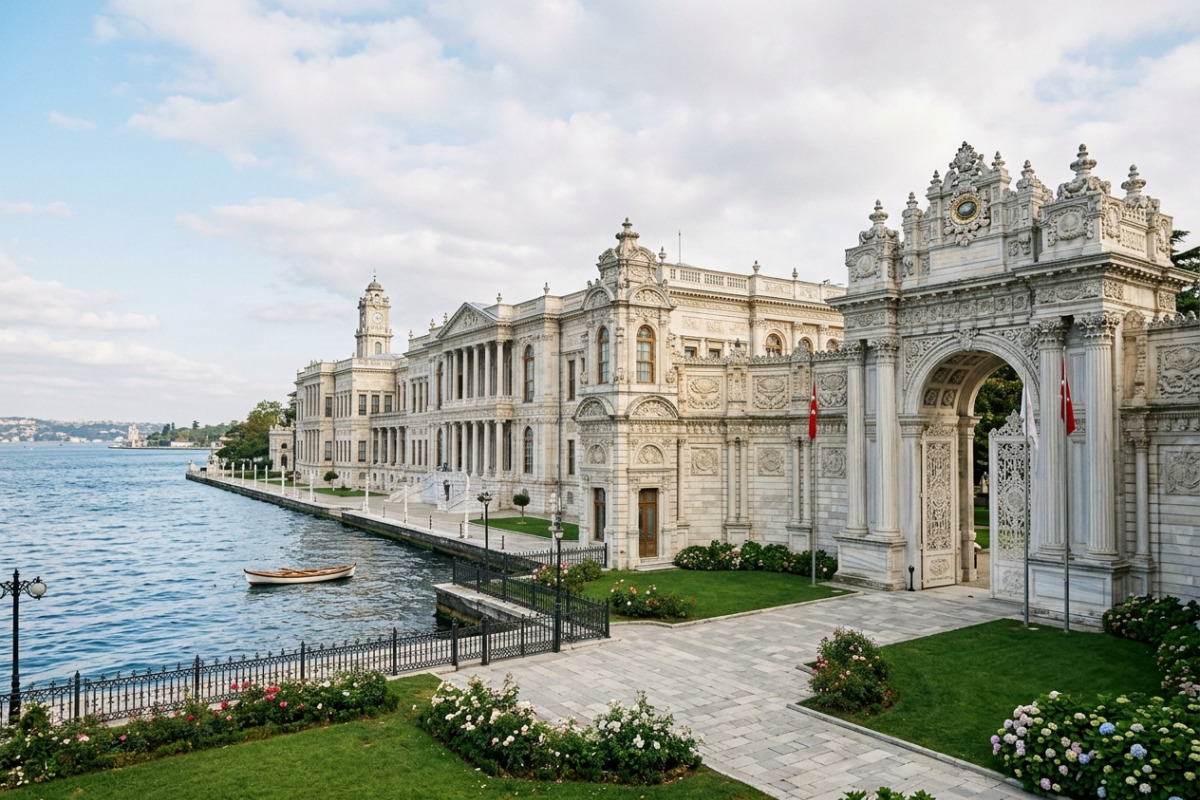
Exploring the area reveals how the buildings complement each other. Bezmialem Valide Sultan Mosque sits just south of the palace's selamlık (reception) section, extending the palace's architectural grandeur. The adjacent Dolmabahçe Clock Tower, added later by Sultan Abdülhamid II, reinforces the monumental appearance of the square. Walking past the clock tower and into the mosque's courtyard, visitors can feel the layers of history intertwining.
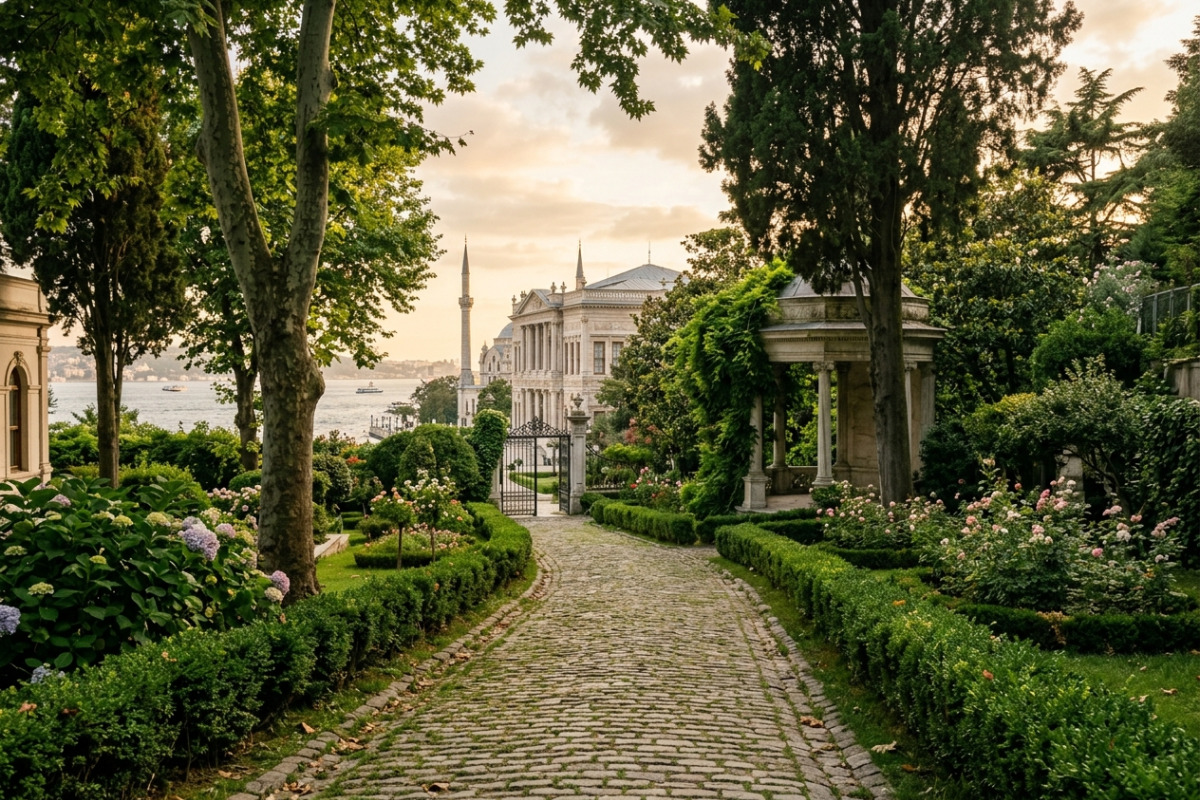
The mosque's courtyard offers a unique vantage point of the Bosphorus. The afternoon sun reflecting through the mosque's windows and the view of the Bosphorus Bridge provide excellent photo opportunities. This peaceful refuge offers a brief escape from the city's chaos.
Why You Should Visit
- Architectural Distinction: One of Istanbul's most European-looking mosques.
- Location Advantage: Walking distance to Dolmabahçe Palace, the Naval Museum, and Beşiktaş market.
- View: Waterfront location with tranquil sea views.
- Historical Context: A firsthand look at Westernization efforts in the late Ottoman Empire.
Visitor Information
Quick Facts
- Construction Year: 1855
- Architect: Garabet Balyan
- Architectural Style: Baroque and Empire
- Location: Next to Dolmabahçe Palace, Beşiktaş, Istanbul
- Visiting Hours: Open daily, except during prayer times (check schedule)
Address: Dolmabahçe Cd., 34357 Beşiktaş/İstanbul, Turkey
Transportation: Accessible by tram (Kabataş stop - T1 line), funicular (Kabataş), or ferry (Beşiktaş or Üsküdar). From Kabataş, take the T1 tram line. From Beşiktaş or Üsküdar, frequent ferries are available. A pleasant walk along the Bosphorus from Kabataş is also an option.
Visiting Hours: Open daily, except during prayer times. Check prayer times in advance, especially on Fridays.
Prayer Times: An active place of worship. Prayer times vary daily; find the schedule online, at the mosque entrance.
Photography Rules: Photography is generally allowed, but avoid using flash during prayer times. Be respectful of worshippers.
Accessibility: Limited accessibility for visitors with mobility issues. Contact the mosque administration in advance for assistance (contact information on the Directorate of Religious Affairs website).
Dress Code: Modest dress required. Women should cover their heads, shoulders, and knees. Headscarves are often available at the entrance.
Entrance Fee: Admission is free.
Best Time to Visit: Visit outside of prayer hours for a more comfortable experience. Early morning or the period between noon and afternoon prayers offers the best light and fewer crowds.
Best Photo Spots: The courtyard offers stunning views of the Bosphorus and the Dolmabahçe Clock Tower, especially during sunset.
Restoration History and Current Status
The mosque has undergone several restorations. The most recent major restoration was completed in 2011 by the Istanbul Metropolitan Municipality, focusing on repairing damage to the dome, minarets, and façade, as well as updating the interior lighting and sound systems. The mosque continues to serve as an active place of worship and a significant cultural landmark, playing a vital role in the city's spiritual and historical fabric. Its ongoing preservation ensures that future generations can appreciate its architectural beauty and historical significance.
Important Notes for Visitors
Bezmialem Valide Sultan Mosque is an active place of worship; observe certain rules out of respect. It can be crowded during prayer times, particularly on Fridays, and may be temporarily closed to tourists. Visit outside of prayer hours for a more comfortable experience. Early morning or the period between noon and afternoon prayers offers the best light and fewer crowds.
Located in a convenient area, it's a few minutes' walk from the Kabataş tram stop or funicular line. Reachable by ferry from Beşiktaş or Üsküdar. A palace tour, a photo break at the Clock Tower, and a peaceful pause in this elegant mosque can be a memorable part of your Istanbul trip. Don't miss this graceful dance of history, sea, and architecture. Plan your visit today!
Key Architectural Features
| Dome Diameter | Approximately 12 meters (39 feet) |
| Dome Height | Approximately 25 meters (82 feet) from the ground |
| Minaret Height | Approximately 36 meters (118 feet) |
| Architectural Style | Baroque and Empire |
| Materials | Marmara marble, stone, gilt decorations |
Frequently Asked Questions (FAQ)
- What is the best time to visit the Bezmialem Valide Sultan Mosque? Visit outside of prayer hours, especially early morning or between noon and afternoon prayers, for fewer crowds and better light.
- Is there a dress code for visiting the mosque? Yes, modest dress is required. Women should cover their heads, shoulders, and knees. Headscarves are often available at the entrance.
- Is there an entrance fee to visit the mosque? No, admission is free.
- How do I get to the Bezmialem Valide Sultan Mosque? It is accessible by tram (Kabataş stop), funicular (Kabataş), or ferry (Beşiktaş or Üsküdar).
Related Posts
Back to All Posts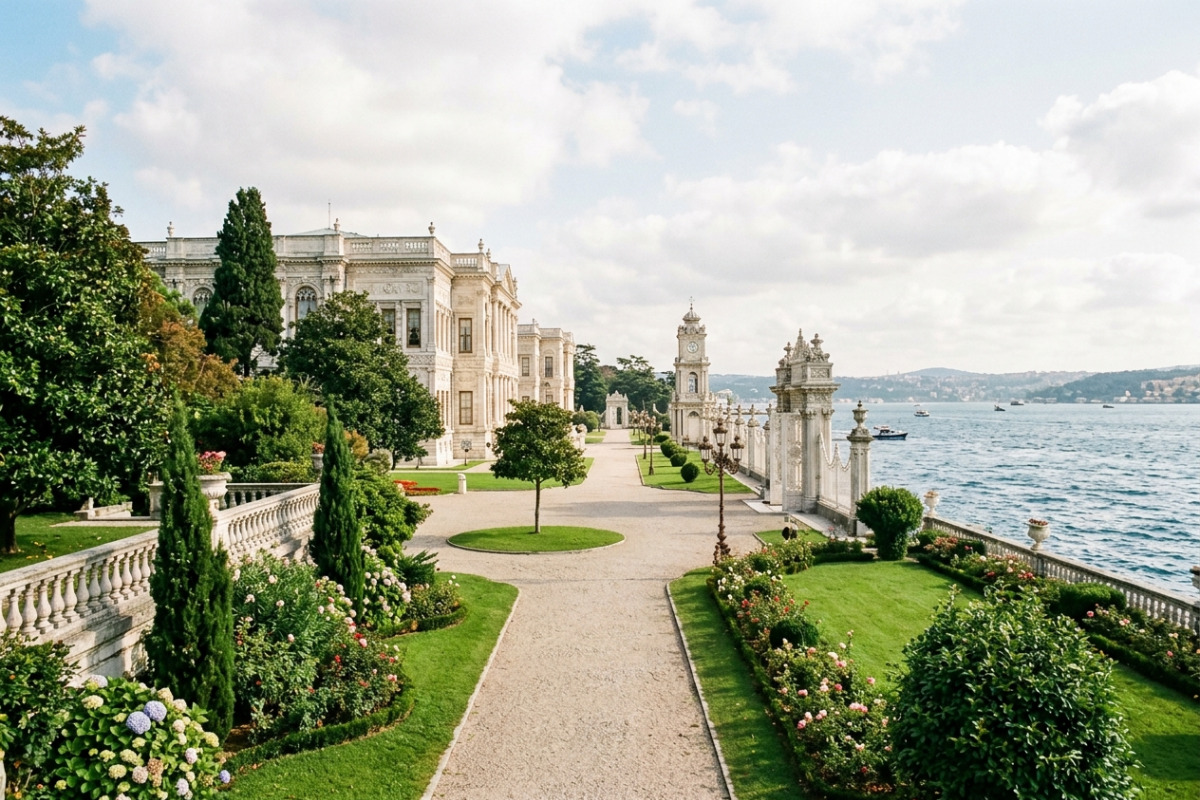
Browse Other Stories
Discover the history in other corners of the palace.