From Kaftan to Redingote: The Fashion of Dolmabahçe Palace Residents and Palace Style
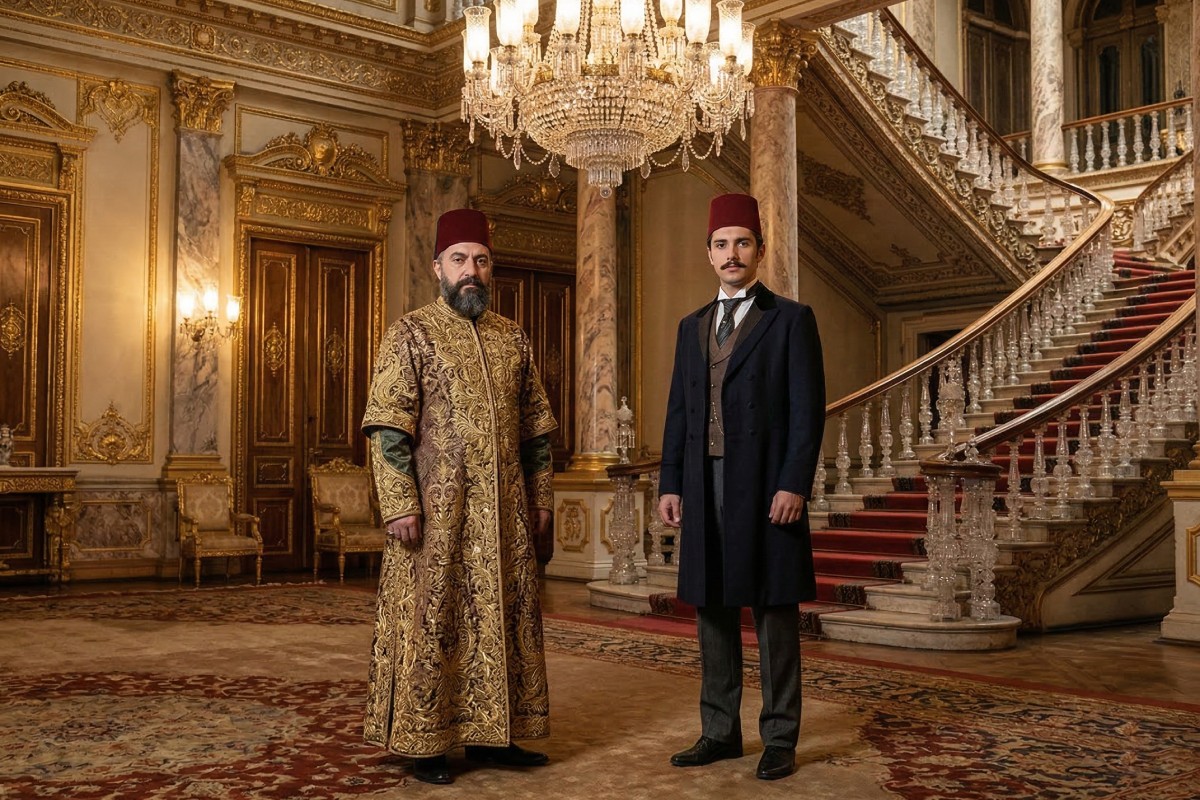
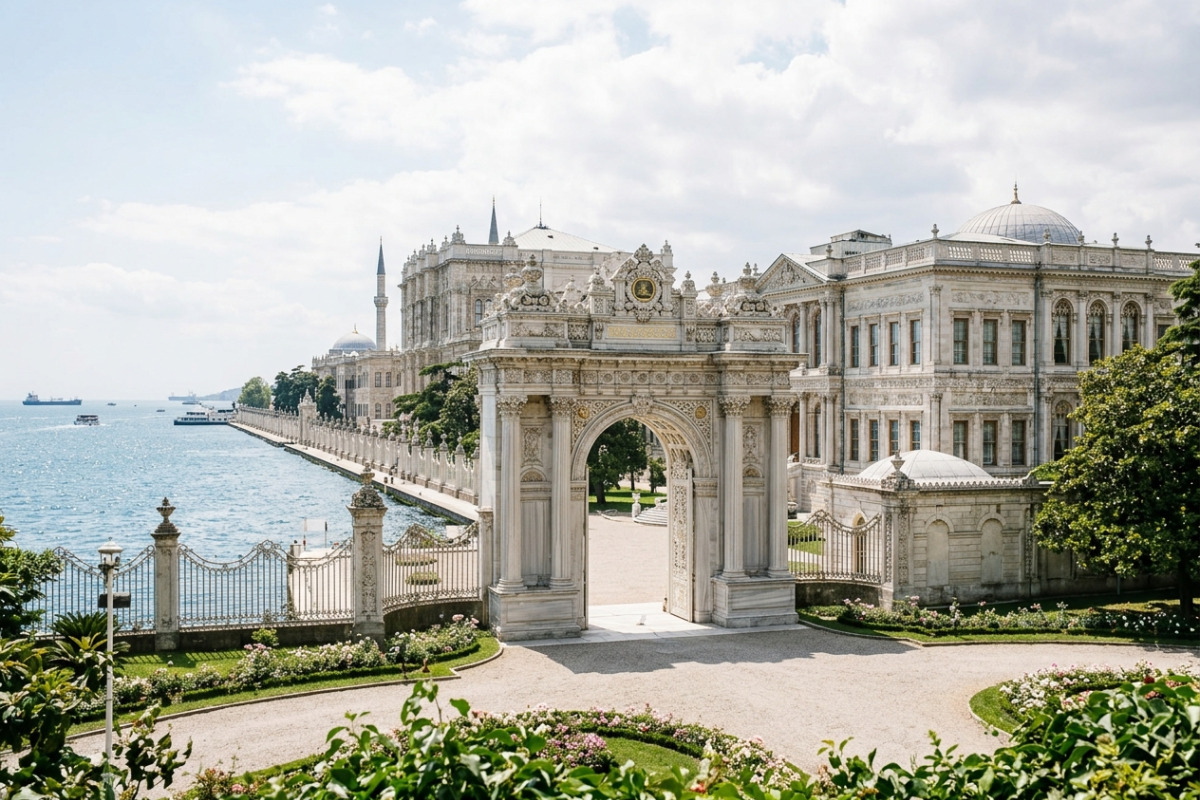
Rising on the shores of the Istanbul Bosphorus, where white marble meets the blue waters, Dolmabahçe Palace is not only an architectural masterpiece but also a stone-carved representation of an era's way of life. The dizzying atmosphere you feel when you step through the palace's magnificent gates is actually the story of an empire shedding its skin. This change is most vividly reflected not only in the wall decorations or furniture but also in the clothing of the palace residents. In the mid-19th century, the transition from the dignified and introverted structure of Topkapı Palace to the extroverted, bright world of Dolmabahçe brought with it a radical style revolution from kaftan to redingote. Today, as we listen to the whispers of the past under the palace's crystal chandeliers, we trace the fashion, fabrics, and aesthetic understanding of that era.
The Mirror of the 19th Century: Changing Aesthetics and Fashion in the Palace
The last century of the Ottoman Empire was the period when relations with the West were most intense and this interaction permeated daily life the most. Sultan Abdülmecid's construction of Dolmabahçe Palace was, in fact, the most concrete manifestation of the desire for 'a new life' and 'a new order.' This new order was decisive in clothing, as it was in every field from palace etiquette to dining culture. Traditional Ottoman kaftans were now being replaced by clothes inspired by European fashion but blended with Ottoman taste. During this period, fashion was perceived not only as a means of covering but also as a way of showing the empire's modern face to the world. The winds of change blew through the palace corridors with the rustle of silk fabrics, and the mystical atmosphere of the East met the sharp molds of the West.
From Tradition to Modernity: The Replacement of the Kaftan with the Frock Coat and Trousers
Kaftans, which were the symbol of power for Ottoman sultans and statesmen for centuries, sewn from heavy fabrics with gold embroidery, gave way to a more functional and modern silhouette in the 19th century. The clothing revolution, which began with Sultan Mahmud II, reached its peak in Dolmabahçe Palace during the reigns of Sultan Abdülmecid and Sultan Abdülaziz. This transition is not a sudden rejection of traditions but an effort to adapt to the necessities of the age.
The Magnificent Farewell of the Kaftan and New Searches
Kaftans, which did not reveal body lines, were worn in layers, and had magnificent patterns in the classical period, gradually gave way to more fitted forms. However, the dignified stance represented by the kaftan was tried to be preserved in the new clothes as well. Palace officials did not compromise on fabric quality and workmanship even when switching to Western-style jackets and trousers. During this period, jackets called 'İstanbulin,' with closed collars and long skirts, began to be seen frequently in both civil bureaucracy and palace life. This piece served as a bridge between the traditional entari and the modern redingote.
The Rise of the Redingote and Frock Coat Trousers
With the opening of Dolmabahçe Palace, the most frequently seen clothes on palace residents were the 'frock coat' and 'trousers' duo. The frock coat, derived from the word 'surtout' in Western languages, is a long jacket usually made of broadcloth or cashmere. The redingote, on the other hand, is a type of jacket that the English call 'riding coat,' fitted at the waist with a slit in the back and skirts reaching to the knee.
- Trousers (Pantalor): Trousers with straight legs, with or without gold trim on the sides, replacing shalwar, became the most obvious symbol of modernization. Dark-colored broadcloth fabrics were generally preferred.
- Frock Coat and Redingote: These jackets, in black, navy blue, or dark smoky gray, with stand-up collars and buttoned fronts, became the official attire of the sultan and palace officials.
- Fez: Replacing the turban and headdress, the fez was crowned as the complement to this new suit. Even the color and shape of its tassel changed over time according to fashion.
East-West Synthesis: Fabrics and Aesthetic Understanding
The change in palace fashion was not limited to formal patterns; there was also a great variety in the materials used. Ottoman textile art combined with techniques from the West to create a tremendous synthesis. The same or similar fabrics used in the furnishings of Dolmabahçe Palace were also preferred in the clothing of the palace people. During this period, the unique silks and velvets produced by Hereke Fabrika-i Hümayunu became competitive with fabrics imported from Europe.
| Feature | Classical Period (Topkapı) | Modern Period (Dolmabahçe) |
| Silhouette | Loose, draped, layered, concealing body lines | Fitted, sharp-lined, upright |
| Headwear | Turban, Headdress, Külah | Fez (red, tasseled) |
| Outerwear | Kaftan, Fur, Robe | Redingote, Frock Coat, İstanbulin, Cape |
| Bottoms | Shalwar, Çakşır | Trousers (Frock Coat trousers) |
| Shoes | Yemeni, Çedik, Mest | Boots, Shoes, Boots |
Fabric Preferences and the Language of Colors
In palace fashion, fabric is the most important indicator of status. In the 19th century, heavy brocades and velvet çatmas were replaced by finer-textured silks, satins, taffetas, and high-quality woolen fabrics. Silks from Lyon, France, and local fabrics woven in Hereke were transformed into works of art in the hands of palace tailors. A change was also observed in the color palette; the bright and colorful classical Ottoman taste gave way to more pastel tones, dark navy blues, burgundies, and blacks. However, vibrant colors such as pink, blue, lilac, and delicate lace details continued to exist in the clothes of palace women.
Elegance and Change in the Clothing of Palace Women
The sharp-lined change in men's clothing was manifested in women's clothing with a softer and more aesthetic transition. The residents of the Harem closely followed Parisian fashion but blended it with the Ottoman understanding of privacy and elegance. 'Ferahî,' which resembled a ferace but was more ornate, became prominent in street fashion. Indoors, European-style corseted, puffy-skirted dresses and traditional shalwar and three-skirt combinations were used together. Especially the 'Bindallı' tradition gave its most beautiful examples during this period, with the peak of gold embroidery. Women preferred 'new style' yashmaks as headscarves, completing their elegance with transparent and thin fabrics.
A Fashion Journey in the Corridors of Dolmabahçe
Today, when we visit Dolmabahçe Palace, those clothes displayed behind glass or seen in paintings tell us a story silently. In the gold bullion embroidery on a Sultan's redingote, we can read both the power of the empire and the desire to look like a Western ruler. In the lace detail on a Valide Sultan's silk dress, we can see how Parisian fashion is reinterpreted in the heart of Istanbul. These clothes are not just fabric and thread; they are wearable evidence of an empire's modernization pains, aesthetic searches, and cultural richness. Although the footsteps echoing in the palace's high-ceilinged halls are no longer heard, the fashion, aesthetics, and elegance of that era continue to live in the spirit of Dolmabahçe. Looking through the window of 2026, we understand much better how valuable and original a style this synthesis created.
Related Posts
Back to All Posts
Browse Other Stories
Discover the history in other corners of the palace.