Route for Art Lovers: Must-See Works at the National Palaces Painting Museum
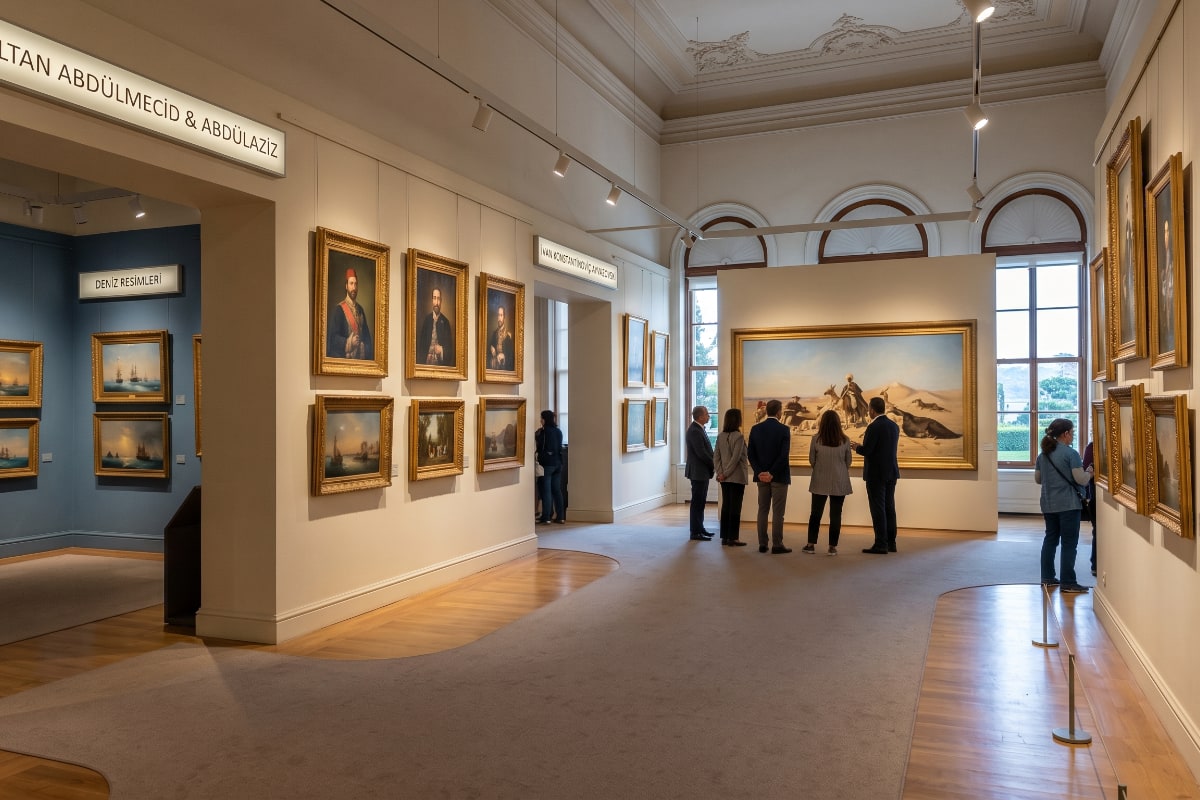
If you're looking to slip away from Istanbul's crowds and find an art refuge overlooking the cool waters of the Bosphorus, there's a magnificent treasure waiting at the Beşiktaş quay. Often overlooked as visitors and locals are swept up by the splendor of Dolmabahçe Palace, the National Palaces Painting Museum transports you to a different century the moment you step through its doors. As of 2026, it is one of the city's most refined art stops. This is not just a building with paintings hung on its walls; it is the materialized expression of late Ottoman aesthetic taste, the pains of westernization, and the value placed on art. With its high ceilings, creaking historic floorboards, and Bosphorus light filtering through the windows, it's easy to lose track of time while studying the works.
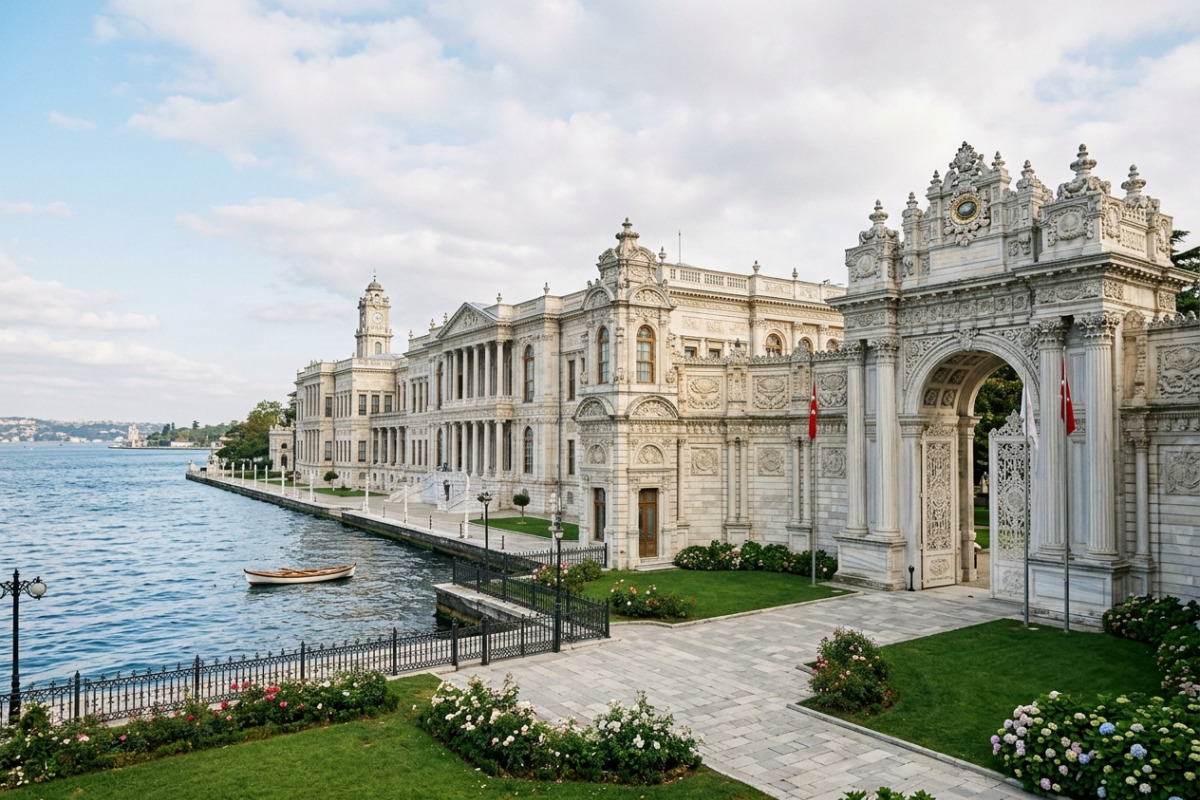
Dolmabahçe Palace, completed in 1856, served as the administrative center of the Ottoman Empire from 1856 to 1887 and from 1909 to 1922. The National Palaces Painting Museum, located within this historic complex, adds another layer of cultural richness to the palace grounds.
Wandering the museum corridors, you follow not only the paint on canvas but also the cultural memory of an empire. From sultans' portraits to landscapes, from battle scenes to everyday life in Istanbul, a wide range offers visitors a visual feast. If you appreciate art or want to witness history, this museum should definitely be on your route. Before you get lost in this captivating atmosphere, here are the works and sections you must see and spend time in front of.
From Heir Apparent Quarters to Modern Museum: The Spirit of the Place
Before diving into the museum collection, it's worth paying respect to the building itself. Constructed as the Heir Apparent Quarters of Dolmabahçe Palace, this structure is one of the finest examples reflecting the architectural elegance of its time. After lengthy and meticulous restoration work, the building now shines as an artwork in its own right. The ceiling decorations, gilded details, and the noble arrangement in the flow between rooms harmonize magnificently with the exhibited paintings.
The museum is organized into thematic halls, allowing visitors to read the collection chronologically or by subject. Sections such as the 'Turkish Painters Gallery' and the 'Palace Painters Gallery' are especially critical for understanding the developmental stages of Turkish painting and its artistic dialogue with the West. Each hall is carefully designed—from lighting to wall color—to immerse you in the atmosphere of its era.
Master of the Seas: The Ivan Aivazovsky Hall
Perhaps the most striking and internationally renowned section of the National Palaces Painting Museum is undoubtedly the hall dedicated to Ivan Aivazovsky. This Russian-born genius visited Istanbul and the palace many times thanks to his close ties with the Ottoman court and was honored by sultans with medals. Hosting one of the world's largest Aivazovsky collections, the museum makes it impossible not to admire the artist's mastery of sea and light.
Details to pay attention to in this hall include:
- Light and Transparency: Study closely the famous transparency in Aivazovsky's waves. He depicts moonlight reflecting on water so realistically that you feel as if sea spray might splash onto your face from the canvas.
- Istanbul Views: In works reflecting his passion for Istanbul, you can see the 19th-century skyline, misty mornings, and sunsets. In particular, the painting 'Moonlight in Istanbul' is one of the finest examples of the artist's admiration for the city.
- Storm Scenes: Alongside calm seas, dramatic scenes of ships battling waves emphasize the artist's connection to the Romantic movement and the helplessness of humans before nature's power. The painting 'Storm in the Bosphorus' treats this theme impressively.
Must-See Aivazovsky Works:
- Moonlight in Istanbul (1847): Artist: Ivan Aivazovsky. Technique: Oil on canvas. Dimensions: 125 x 190 cm. Room: Aivazovsky Hall. This painting captures the serene beauty of Istanbul under the moonlight. The reflection of the moon on the water is rendered with exceptional skill, showcasing Aivazovsky's mastery of light.
- Storm in the Bosphorus (1885): Artist: Ivan Aivazovsky. Technique: Oil on canvas. Dimensions: 90 x 130 cm. Room: Aivazovsky Hall. A dramatic depiction of a ship battling a fierce storm in the Bosphorus. The painting highlights the power of nature and the vulnerability of human endeavors.
- View of Istanbul (1856): Artist: Ivan Aivazovsky. Technique: Oil on canvas. Dimensions: 70 x 110 cm. Room: Aivazovsky Hall. Showcases a panoramic view of Istanbul's skyline, capturing the city's historical landmarks and vibrant atmosphere during the 19th century.
Peak Orientalism: Fausto Zonaro and the Palace Painters
Another heavyweight in the museum is Fausto Zonaro, the palace painter during the reign of Sultan Abdul Hamid II. The Italian painter transferred Istanbul's street life, military ceremonies, and palace life onto canvas with such vivid colors that his works feel like documentary records. In Zonaro's works, you sense a Western eye looking at the East, but rather than orientalist clichés, you feel an intimate, insider observation.
One of Zonaro's masterpieces you must see is the iconic 'The Ertugrul Cavalry Regiment Passing the Galata Bridge', which is among the museum's most emblematic works. The movement of the horses, the details in the soldiers' uniforms, and the Istanbul backdrop draw the viewer into the moment. Zonaro's works like 'A Day in the Harem' offer rare and valuable perspectives on palace life. Works by other foreign palace painters such as Stanisław Chlebowski and Luigi Acquarone also demonstrate the Ottoman Empire's regard for art and its multicultural character. Chlebowski's 'Battle of Varna' recreates a historical event in epic fashion, while Acquarone's portraits reflect the era's notable figures.
From the Ottoman Era to the Republic: Turkish Painters
The museum also houses pioneers of Turkish painting, not only foreign artists. Especially the cohort known as the 'Military Painters' and the subsequent generations show how Western-style painting took root in these lands. Şeker Ahmed Pasha's still lifes and forest landscapes draw attention with their unique treatment of perspective and depth, while Osman Hamdi Bey's figurative works represent a revolution in Turkish painting.
During your visit, we particularly recommend focusing on the following names and themes:
- Şeker Ahmed Pasha: Known for depicting nature and objects with a somewhat naive but highly powerful style. The shades of green in his forest paintings are mesmerizing. Especially the work 'Still Life with Apricots' demonstrates the artist's attention to detail.
- Halil Pasha: Offers some of the most graceful examples of Turkish Impressionism through his use of light and color. His paintings of Bosphorus shores and waterfront mansions reflect the period's serenity in Istanbul. The painting 'Sunset on the Bosphorus' is a masterful example of light play.
- Hoca Ali Rıza: Documents Istanbul's fading visage with sketch-like yet highly detailed landscapes focused on Üsküdar and its surroundings. Views like 'Üsküdar Pier' and 'Çamlıca' convey the artist's love for the city.
Key Themes in the Museum Collection
To help you better understand the museum collection, below is a table showing the main themes the works focus on and the notable characteristics of these themes:
| Theme / Section | Prominent Features | Representative Painters |
| Sea and Landscape | Play of light, water transparency, Istanbul skyline | Ivan Aivazovsky, Hüseyin Zekai Pasha |
| Palace and Ceremonies | Military parades, greetings, palace interior life | Fausto Zonaro, Stanisław Chlebowski |
| Sultan Portraits | Realistic facial features, Western-style portrait tradition | Wilhelm Reuter, Rafael Manas |
| Nature and Still Life | Forest landscapes, fruit compositions | Şeker Ahmed Pasha, Süleyman Seyyid |
Sultan Portraits Hall: The Face of Power
One of the museum's most solemn and historically deep sections is the Sultan Portraits Hall. Here you can see oil portraits of Ottoman sultans painted by Western painters or local artists. This hall is unique for understanding the Ottoman dynasty's image management and its relationship with Western art. Especially the portrayals of Sultan Mahmud II and subsequent sultans in modern attire allow you to read the empire's transformation process in their facial features and bearing.
Tips and Suggestions for Visitors
The National Palaces Painting Museum is a place to be explored slowly. Don't rush; savor each brushstroke. Here are a few small tips to make your visit more enjoyable:
- Timing: Considering weekends can be crowded, try to visit on weekday mornings or later in the afternoon if possible. These are the hours when light falls most beautifully into the rooms.
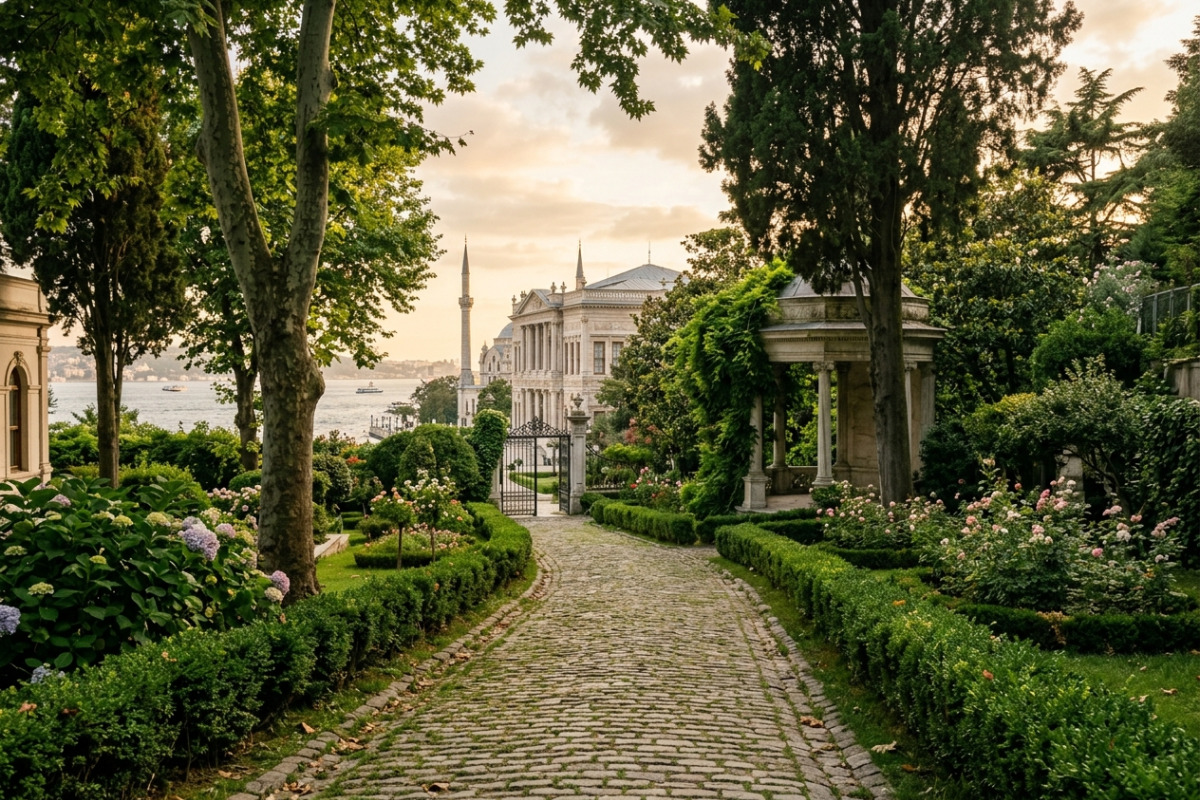
- Garden Break: Don't leave immediately after your museum tour. Take a coffee break in the museum's garden or cafe overlooking the Bosphorus to let the artworks you just saw settle in your mind.
- Audio Guide: Be sure to use the audio guide available at the entrance to learn the stories behind the works and the lives of the painters in depth. The details will make your tour much more meaningful.
- Photography: Photography is generally allowed without flash, but sometimes lowering the camera and recording the moment with your eyes is the best choice.
Planning Your Visit: Practical Information
- Address: Dolmabahçe Palace, Beşiktaş, Istanbul
- Visiting Hours: 09:00 - 17:00 (Closed on Mondays)
- Ticket Information: Tickets can be purchased at the entrance or online. Combination tickets including Dolmabahçe Palace are available.
- Transportation: Easily accessible by tram (Kabataş stop), bus, or taxi. A short walk from the Beşiktaş ferry terminal.
- Accessibility: The museum offers limited accessibility for visitors with mobility issues. It's recommended to contact the museum in advance for assistance.
- Photography Policy: Photography without flash is permitted for personal use.
A Suggested Route Through the Museum
To make the most of your visit, consider this route:
- Start with the Ivan Aivazovsky Hall to immerse yourself in his captivating seascapes.
- Explore the Fausto Zonaro collection to witness his vivid depictions of Ottoman life.
- Discover the works of pioneering Turkish Painters like Şeker Ahmed Pasha and Halil Pasha.
- Conclude your visit at the Sultan Portraits Hall to understand the Ottoman dynasty's image.
Must-See Masterpieces: Top Picks
- Ivan Aivazovsky - Moonlight in Istanbul
- Fausto Zonaro - The Ertugrul Cavalry Regiment Passing the Galata Bridge
- Şeker Ahmed Pasha - Still Life with Apricots
- Halil Pasha - Sunset on the Bosphorus
- Ivan Aivazovsky - Storm in the Bosphorus
The National Palaces Painting Museum continues to shine on Istanbul's art map. From Aivazovsky's stormy seas to Zonaro's cheerful Istanbul streets, from Şeker Ahmed Pasha's quiet forests to the proud gazes of sultans, this route offers a unique experience that will nourish your soul. Don't forget to put this museum at the top of your list for a day full of art, history, and the charm of the Bosphorus.
Related Posts
Back to All Posts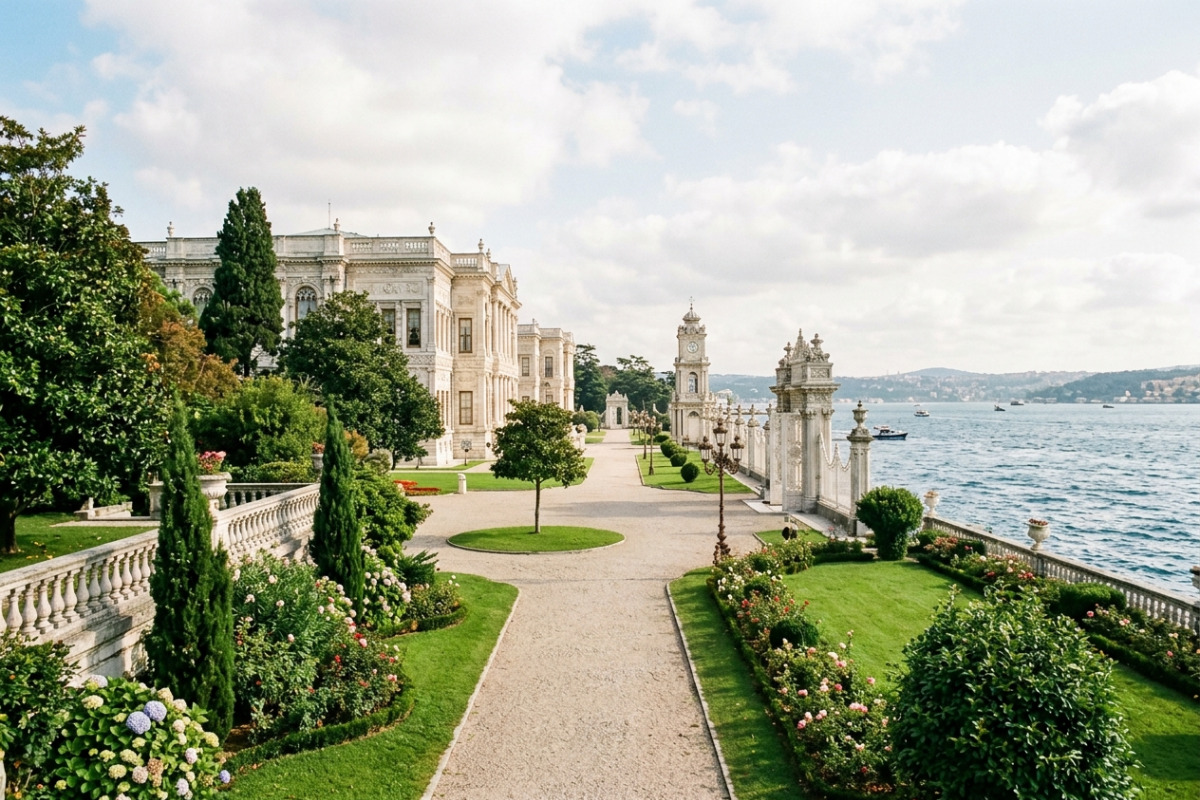
Browse Other Stories
Discover the history in other corners of the palace.