Dolmabahçe’s Elegant Neighbor: Bezmialem Valide Sultan Mosque and Its Architecture
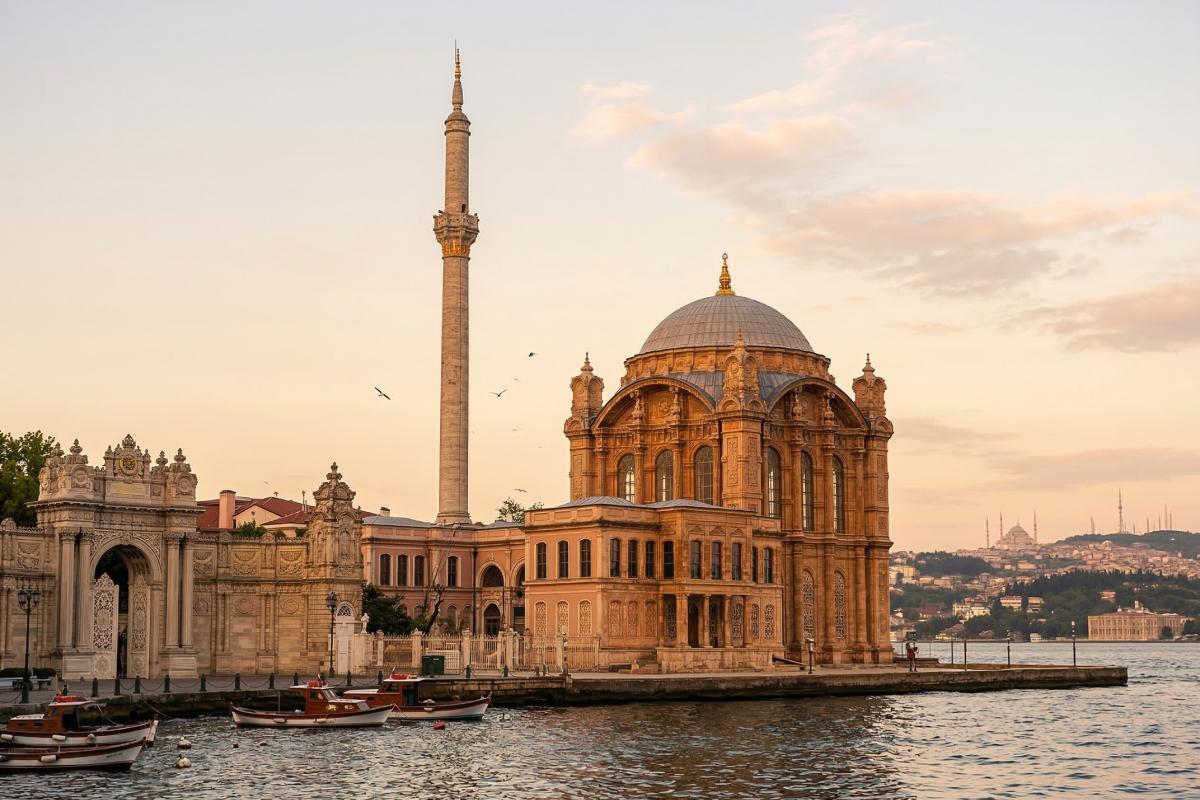
When you step out of the grand gate of Dolmabahçe Palace, one of Istanbul’s most magnificent structures, you should pause briefly before turning your eyes to the cool waters of the Bosphorus. While still under the spell of the palace visit, a delicate silhouette rises in the shadow of the Clock Tower just beside you, welcoming you. Known locally as the Dolmabahçe Mosque, Bezmialem Valide Sultan Mosque is not merely a place of worship, but the stone-carved embodiment of the Ottoman Empire’s late-era aesthetic sense and its journey toward Westernization. This building signals a radical departure from classical Ottoman architecture and glitters like a jewel box along the Bosphorus.
As an indispensable part of Bosphorus shore strolls, this mosque offers both spiritual serenity and a visual feast with its sea-facing position. In particular, when the afternoon sun filters through the slender windows, the play of light inside the building is remarkable. Its proximity to the palace is no accident; this is a prestigious point where the sultan would appear before the Friday audience and where the state’s splendor is shown to those arriving from the sea. Initiated by the testament of Bezmialem Valide Sultan and completed by her son, Sultan Abdülmecid, this work carries a mother’s dream and a son’s fidelity into the present day.
History: A Mother’s Will, a Son’s Signature
The construction of the mosque was started by Bezmialem Valide Sultan, the wife of Sultan Mahmud II and mother of Sultan Abdülmecid. Known in Ottoman history for her charitable works and endowments, Valide Sultan did not live to see the mosque completed, passing away in 1853. Not letting her dream end unfinished, Sultan Abdülmecid took over the project and enabled its opening for worship in 1855. This historical process led to the building being adorned with details that reflect both the Valide Sultan and the sultan’s aesthetic taste.
Carrying the signature of the renowned architect Garabet Balyan of the era, the mosque is one of many works the Balyan family contributed to Istanbul’s skyline. In this project, Garabet Balyan moved away from the classic Ottoman mosque forms and boldly adopted Baroque and Empire styles that were fashionable in Europe at the time. The mosque’s opening coincides with the construction of the neighboring Dolmabahçe Palace, and the two buildings were designed as inseparable parts of a whole. Despite fires and earthquakes through history, restorations have preserved its originality, allowing it to endure until 2026.
Architectural Features: The Baroque-Empire Dance on the Bosphorus
Bezmialem Valide Sultan Mosque is quite different from the wide-courtyard, multi-dome, and modest-faced structures we associate with classical Ottoman mosques. At first glance, its exterior resembles an ornate palace hall or a pavilion more than a mosque. The building sits on a square-plan main space, with a dome directly above the main space without a drum, resting on the walls. This design choice yields a more compact yet upward-reaching elegant silhouette.
The most distinctive feature is its slender, vertical lines. The minarets are placed at the corners of the sovereign lattice that seems detached from the main body. These minarets are among the most delicate and refined examples in Ottoman architecture. Their fluted shafts and acanthus leaf motifs under the balconies recall ancient Greek column capitals. These details demonstrate how the Ottomans processed Western architecture through their own lens and localized it. The delicate design of the minarets helps support the lightness and grace of the Baroque and Empire styles throughout the structure. A departure from the heavy, showy minarets of classical Ottoman architecture toward a thinner, more graceful silhouette is evident.
Key Architectural Details:
- Plan Layout: Square plan main space with a dome resting directly on the walls, creating a compact and elegant silhouette.
- Dome: Dome without a drum, contributing to the mosque's unique upward-reaching design.
- Exterior Ornamentation: A blend of Baroque and Empire styles, resembling a palace hall more than a traditional mosque.
- Materials and Restoration: Constructed with high-quality materials and meticulously restored to preserve its originality despite historical events.
Notable Exterior Details
While examining the building’s exterior, there are some key details you should not miss. These elements reveal the artistic value of the edifice:
- Massive Windows: The large, round-arched windows on the façades illuminate the interior in a grand manner. These windows reflect the Baroque architecture’s emphasis on light and shadow. Unlike the small, lattice-type windows of classical Ottoman mosques, these windows light the interior almost like a palace hall.
- Pilasters and Keystone Stones: Hidden columns placed between the windows (pilasters) and the exaggerated keystone stones at the centers of the window arches give movement to the façade. These pilasters and keystones are typical Baroque decorative elements, enriching the building’s exterior.
- Harmony with the Clock Tower: The architectural unity with the nearby Dolmabahçe Clock Tower creates a coherent square. Both structures share similar ornamental elements. The Clock Tower’s Baroque and Neo-Classical styles contribute to a harmonious appearance with the mosque.
- Hünkar Kasrı (Sultanic Pavilion): Located at the front of the mosque, this two-story structure was designed for the sultan to rest or hold meetings before prayers. Its presence indicates the mosque is not only a place of worship but also a space reserved for the sultan’s private use. The pavilion’s façade is adorned to match the mosque’s overall architecture.
Interior: The Harmony of Light and Color
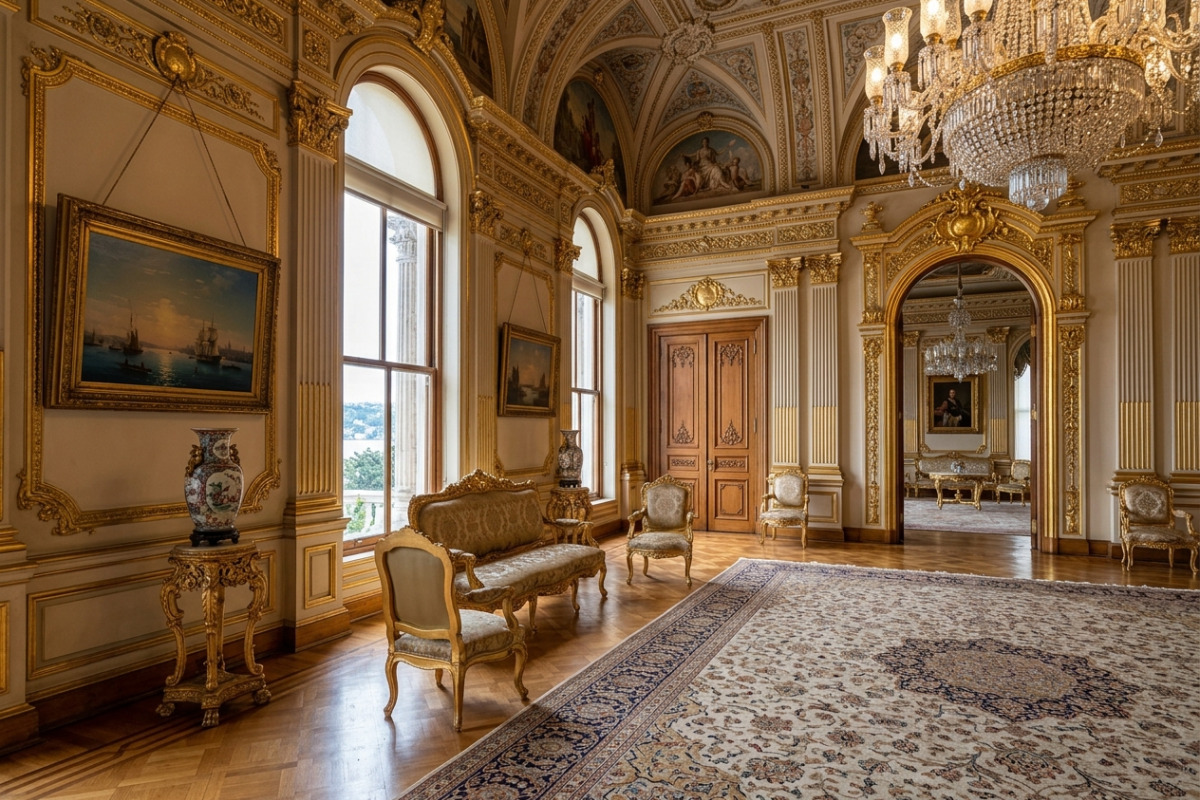
Stepping inside, you are greeted by a calmer yet richly colorful atmosphere, contrary to the Baroque exuberance outside. The interior dome decorations combine classical calligraphy artistry with techniques from Western painting. A crystal chandelier hanging from the dome, together with natural light entering through the windows, creates a heavenly glow. The mihrab and minbar are crafted from pink Turkish marble and are treated as sculptures with their botanical motifs and reliefs.
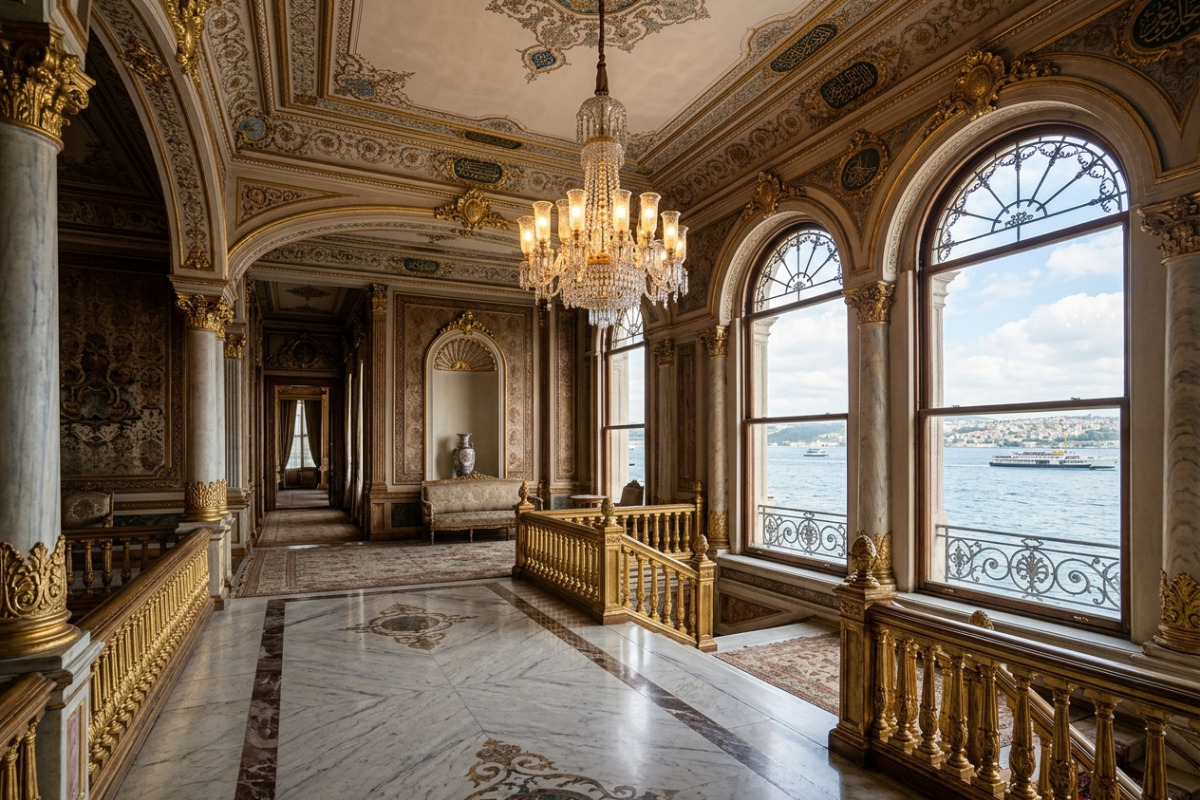
The most striking interior feature is the sense of spaciousness created by the large windows. The usually dim and mystical ambiance of classical mosques gives way to a bright, airy environment that maintains a visual connection with the outside world (the Bosphorus view). Wall paintings feature pastel colors, gilding, and marble-imitating paints that were fashionable at the time, enriching the space. These decorations may make visitors feel as if they are in a reception hall that continues the palace rather than merely a house of worship.
Location and Surroundings: A Walk from the Palace to the Mosque
One of the best aspects of visiting Bezmialem Valide Sultan Mosque is its unique location. Nestled between Kabataş and Beşiktaş, just south of the Dolmabahçe Palace’s ceremonial gate, it offers a delightful short stroll along a tree-lined road parallel to the sea after finishing the palace tour. Historic palace walls are on your left and the Bosphorus on your right as you walk.
The square in front of the mosque is a popular photography spot, especially on weekends. Behind you, the mosque’s elegant minarets rise; in front, the Clock Tower, and in the distance, the Bosphorus Bridge and Ortaköy Mosque create a view that greets both the modern face and the historic fabric of Istanbul. You can sit at café terraces in the square, sip tea with gulls’ cries, and take a long look at the exterior details of the mosque.
Practical Information for Visitors
To help you grasp the building’s technical and historical details quickly during your visit, refer to the table below. It will guide you to understand the period and significance of the structure.
| Building Name | Bezmialem Valide Sultan Mosque (Dolmabahçe Mosque) |
| Founder | Bezmialem Valide Sultan (completed by Sultan Abdülmecid) |
| Architect | Garabet Balyan |
| Construction Period | 1853 - 1855 |
| Architectural Style | Baroque, Empire, Renaissance influences (Eclectic) |
| Notable Features | Delicate tall minarets, large windows, seaside location |
Tips for Visitors
If you plan to visit this historic building, a few small details can enhance your experience. First, since the mosque is an active place of worship, during prayer times, especially Friday prayers, it may be closed to tourists or have restricted access in certain areas. The quietest and most comfortable time to visit is between the noon and afternoon prayers. The interior is typically open from around 09:00 to 18:00, but times may vary with seasons and special days. It is advisable to check current visiting hours before you go.
Dress code follows common mosque etiquette. Visitors should wear clothing that covers shoulders and knees, and women should wear headscarves. If you don’t have appropriate clothing, head coverings are usually provided at the entrance. Photography is allowed, but avoid flash and do not disturb worshippers. Speaking loudly inside the mosque should be avoided out of respect for the sacred space.
Access to the mosque is convenient. You can reach it by walking from Kabataş or Beşiktaş, or by public transport. Take the tram from Kabataş to Dolmabahçe stop and walk a short distance to the mosque. From Beşiktaş, follow the coastal road for about a 15-minute walk. If arriving by car, paid parking is available in the surrounding area.
Finally, after your Dolmabahçe Palace visit, consider the mosque a respite to unwind. Its cool, quiet atmosphere offers a perfect escape from the crowd and noise outside. On the way out, don’t miss taking a ferry from the nearby Kabataş pier to view this elegant structure from the sea, right in the Bosphorus. Bezmialem Valide Sultan Mosque is not just a stone and marble building; it is a living page of Istanbul’s historic spirit.
Related Posts
Back to All Posts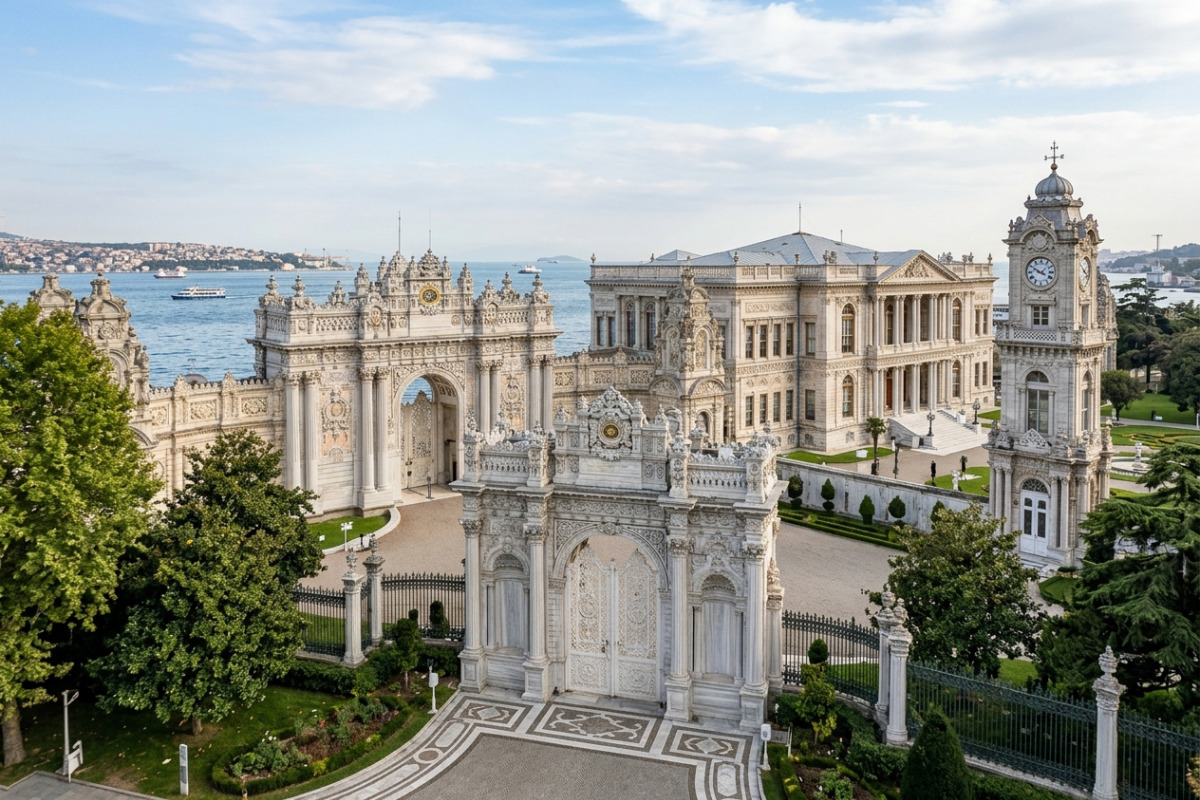
Browse Other Stories
Discover the history in other corners of the palace.