The Architectural Marvel of Dolmabahçe Palace: An Overview
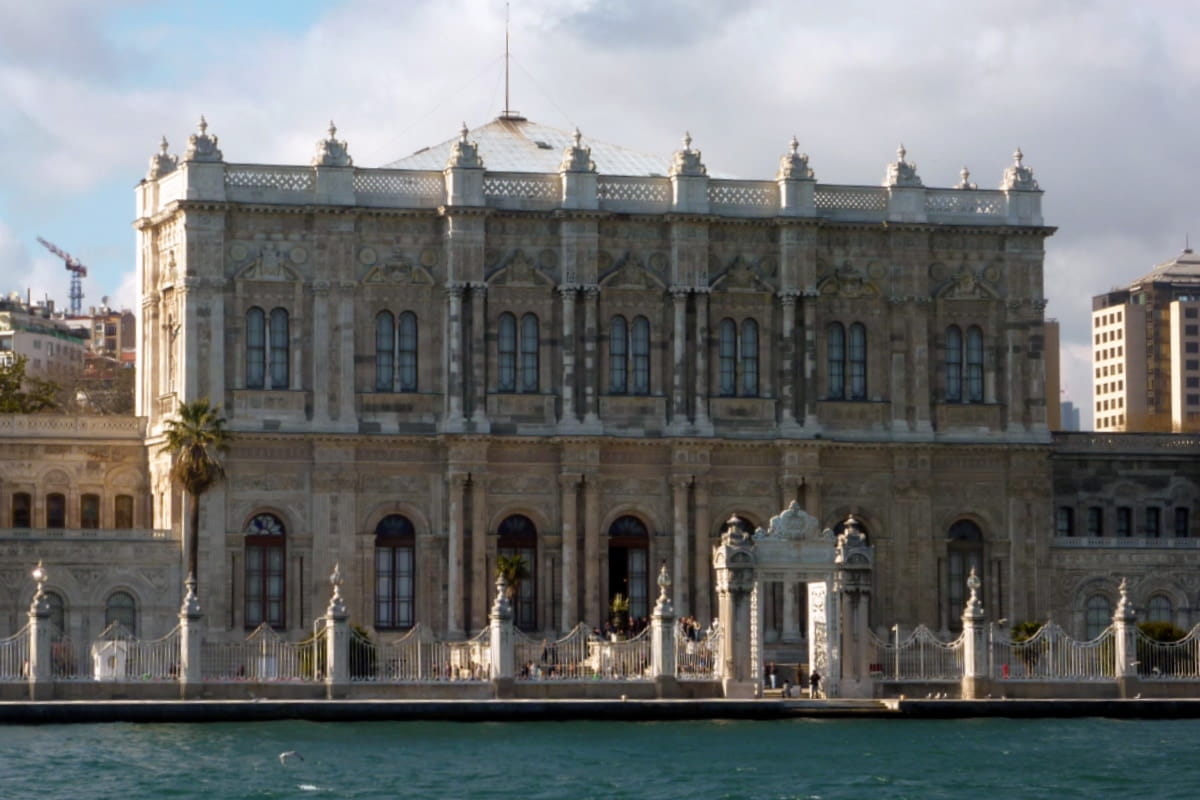
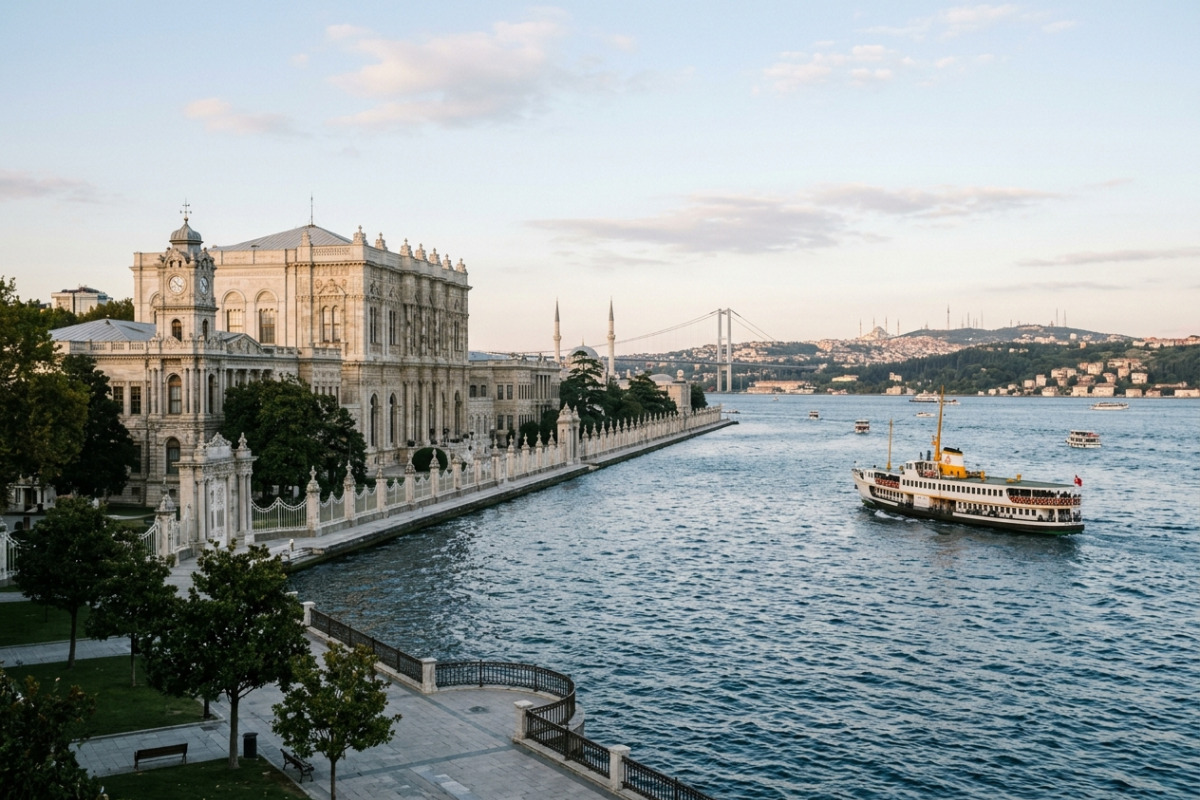
Standing on the European shore of the Bosphorus, Dolmabahçe Palace is not merely a residence; it is a monumental declaration of an empire's desire to modernize and embrace the Western world while retaining its majestic heritage. As you approach the palace from the water or the street, the sheer scale of the white marble façade against the deep blue of the strait creates an image of unparalleled grandeur. Unlike the secluded pavilions of the older Topkapı Palace, Dolmabahçe presents a unified, imposing frontage that stretches for 600 meters along the coast, signaling a new era in Ottoman history. For architecture enthusiasts and casual travelers alike, the palace offers a visual feast that tells the story of 19th-century Istanbul through stone, gold, and crystal.
A Radical Shift from Tradition
To truly appreciate the architectural genius of this structure, one must understand the context of its creation. For centuries, the Ottoman Sultans resided in Topkapı Palace, a complex of medieval structures that, while historically significant, lacked the contemporary luxury and style of European monarchical residences. By the mid-19th century, Sultan Abdülmecid I decided that the Empire needed a new administrative center and residence that could rival the palaces of France and England. This decision marked a pivotal moment in Turkish architectural history, moving away from the introverted, courtyard-based designs of the past toward an extroverted, façade-oriented layout. If you are interested in the detailed timeline of this transition, exploring the History of Dolmabahçe reveals how this construction project became a symbol of the Tanzimat era's westernization efforts.
The Eclectic Style: Where East Meets West
Dolmabahçe Palace is often cited as a prime example of the eclectic style, but this label barely does justice to the harmonious blend of influences present in its design. The architects masterfully wove together elements of Baroque, Rococo, and Neoclassical styles, fusing them with traditional Ottoman structural requirements. This synthesis created a unique architectural language often referred to as "Ottoman Baroque."
- Baroque Elements: The dramatic use of light and shadow, the ornate sculptural details on the exterior gates, and the curvature of the staircases reflect the emotional intensity of the Baroque period.
- Neoclassical Symmetry: The rigid symmetry of the main building, the orderly rows of columns, and the triangular pediments speak to the rationalism of Neoclassical design.
- Ottoman Functionality: Despite the European skin, the bones of the palace remain Ottoman. The internal layout strictly separates the administrative (Selamlık) and private (Harem) quarters, adhering to traditional social structures.
Masterminds Behind the Stone: The Balyan Family
The realization of this ambitious project was entrusted to the Balyan family, a dynasty of Armenian architects who served the Ottoman court for generations. Garabet Balyan and his son Nigoğayos Balyan were the primary minds behind the design. Their genius lay in their ability to interpret Western architectural trends through a local lens. They utilized Marmara marble for the exterior, ensuring the building would gleam under the Istanbul sun, while the interior construction utilized brick and wood, later covered in precious materials. Their work on the Imperial Gate alone is a testament to their mastery of stone carving, creating an entrance that is as intimidating as it is beautiful.
Interior Design: A Symphony of Gold and Crystal
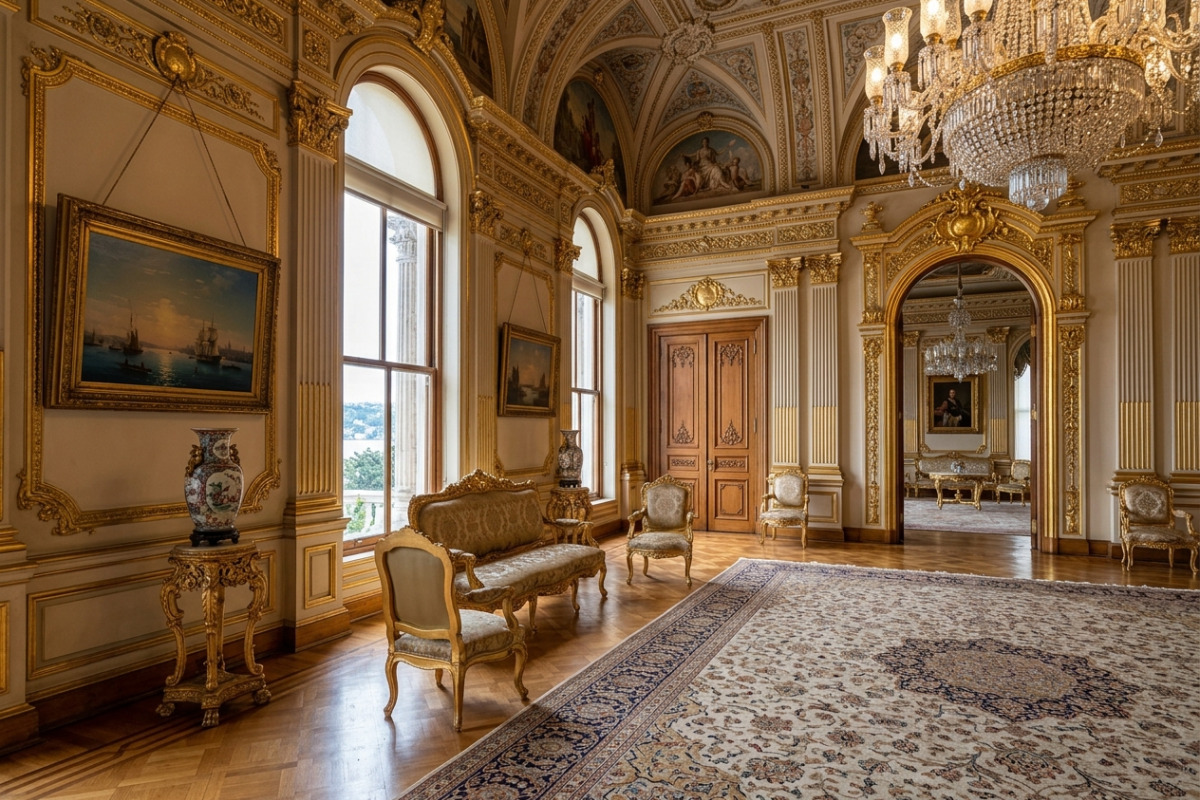
Stepping inside the palace, the exterior's stone austerity gives way to an explosion of color, luxury, and intricate decoration. The interior design of Dolmabahçe is a deliberate overwhelming of the senses, designed to impress foreign dignitaries and reinforce the Sultan's power. The ceiling decorations are particularly noteworthy, utilizing a technique involving gold leaf that covers nearly 14 tons of the palace's interior surface. Unlike the ceramic tiles typical of earlier Ottoman architecture, Dolmabahçe relies heavily on oil paintings, gilded plaster, and colored marble to create its opulent atmosphere.
The Crystal Staircase
One of the most photographed (mentally, as photography is often restricted) and celebrated features of the palace is the Crystal Staircase. This double-horseshoe staircase is a marvel of engineering and aesthetics. The balustrades are made entirely of Baccarat crystal, supported by brass and mahogany. As natural light floods in from the glass roof above, the crystals refract the light, creating a dazzling display that changes throughout the day. It was designed not just as a way to get from one floor to another, but as a stage for the Sultan to make grand entrances.
The Grand Ceremonial Hall (Muayede Salonu)
The heart of the palace is undoubtedly the Muayede Salonu. This hall is one of the largest throne rooms in the world, boasting a dome that soars 36 meters high. The architectural feat here is the clever concealment of the heating system within the columns, allowing the massive space to be used even in colder months. Suspended from the center of the dome is a 4.5-ton crystal chandelier, a gift from Queen Victoria. The sheer volume of this room, combined with the acoustic design and the visual weight of the chandelier, leaves visitors in awe of the engineering capabilities of the 1850s.
Detailed Architectural Statistics
To grasp the magnitude of the Dolmabahçe Palace project, it helps to look at the raw numbers that define its construction and decoration. These figures highlight the immense resources poured into its creation.
| Feature | Details |
| Total Area | 45,000 square meters |
| Room Count | 285 Rooms, 44 Halls, 68 Toilets, 6 Baths (Hamams) |
| Gold Usage | Approximately 14 tons of gold leaf used for ceilings |
| Crystal | Largest collection of Bohemian and Baccarat crystal chandeliers in the world |
| Carpets | 131 handmade Hereke silk carpets covering the floors |
Exploring the Palace Quarters
The architectural layout is strictly divided into functional zones, each with its own design nuances. As you walk through the corridors, you can sense the shift in atmosphere between the official and private spheres. To fully understand the flow of the building, it is recommended to review the Palace Sections before your visit.
The Selamlık (Mabeyn-i Hümayun)
This is the administrative wing where state affairs were conducted. The architecture here is masculine, imposing, and richly decorated to showcase the wealth of the empire. The Medhal Hall, which serves as the entrance, sets the tone with its massive Boulle tables and elaborate chandeliers. It was here that the Sultan received viziers and foreign ambassadors.
The Harem
Connected to the Selamlık but distinct in its vibe, the Harem was the private residence of the Sultan and his family. While still luxurious, the architectural scale is more intimate. The rooms are smaller, the ceilings lower, and the decoration slightly more subdued compared to the ceremonial halls. The Blue Hall within the Harem is a standout example of how color was used to create different moods within the living quarters. The integration of Western furniture with traditional Turkish seating arrangements (sedir) in these rooms highlights the cultural transition of the era.
Planning Your Architectural Tour: A Visitor's Guide
Visiting Dolmabahçe Palace requires some planning, as the sheer size of the complex can be overwhelming. Because the palace is a museum where the original furnishings are preserved intact, movement through the halls is regulated to protect the flooring and artifacts. You will often be required to wear plastic shoe covers to protect the precious parquet floors, which are themselves masterpieces of marquetry.
Here are a few tips to make the most of your visit:
- Allocate Sufficient Time: Plan to spend at least 3-4 hours exploring the palace and its grounds.
- Consider a Guided Tour: Guided tours are available in multiple languages and provide valuable insights into the history and architecture of the palace.
- Photography Restrictions: Be aware that photography is often restricted inside the palace to protect the artifacts.
- Dress Code: While there isn't a strict dress code, it's respectful to dress modestly when visiting historical sites in Istanbul.
- Best Time to Visit: To avoid crowds, consider visiting early in the morning or later in the afternoon, especially during peak tourist season.
The location on the Bosphorus adds another layer to the architectural experience. The architects designed the sea-facing façade to interact with the water, and the gates leading to the Bosphorus are among the most ornate examples of ironwork and stone carving in Istanbul. For those planning a trip, checking the Visiting Info is crucial to know opening hours and rules. Since the daily visitor quota is strictly enforced to preserve the building's structural integrity, it is highly advisable to Buy Tickets in advance to secure your entry slot.
To further enhance your understanding and appreciation, consider researching images of the palace's key architectural features before your visit. This will allow you to better visualize the details and appreciate the craftsmanship. For example, searching for images of the Crystal Staircase, the Muayede Salonu chandelier, or the Imperial Gate will enrich your experience.
Dolmabahçe Palace stands today not just as a museum, but as a frozen moment in time where the Ottoman Empire looked westward with ambition and artistic flair. Its walls whisper stories of sultans, the Republic's founder Mustafa Kemal Atatürk, and the changing tides of history, all encased in a shell of marble and gold that continues to captivate the world.
Related Posts
Back to All Posts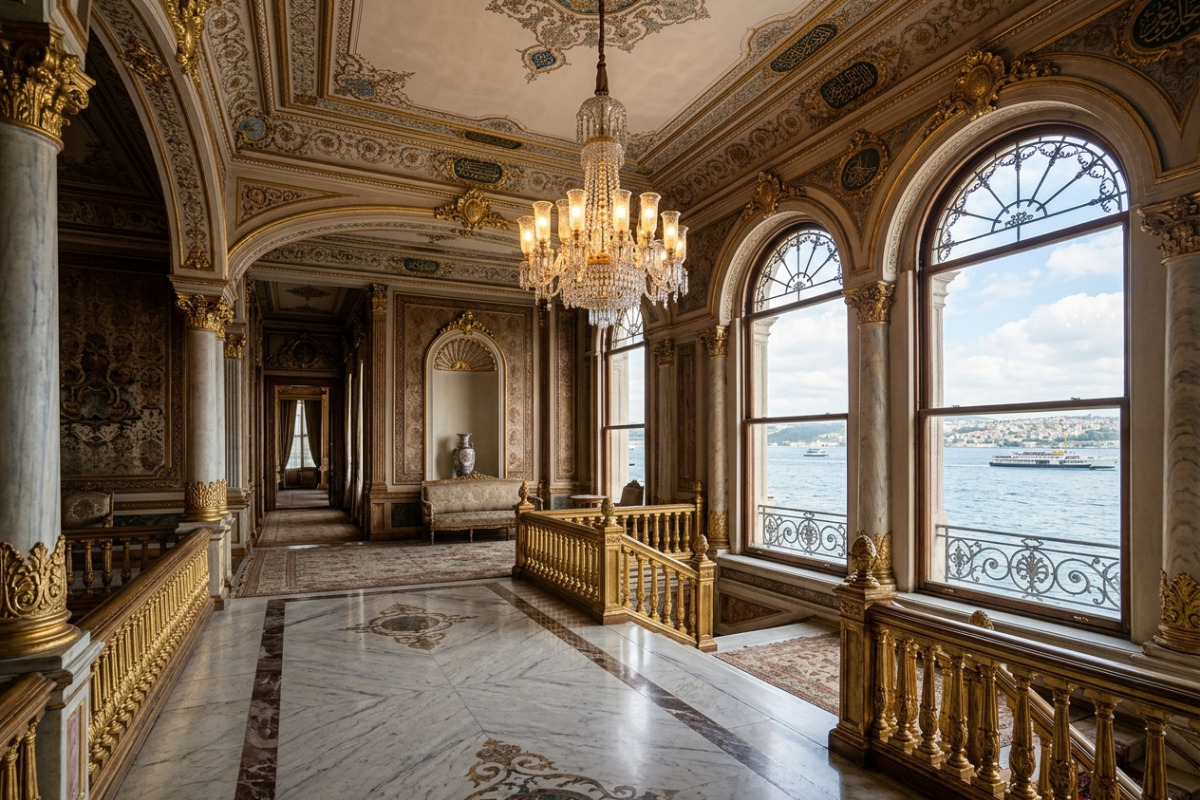
Browse Other Stories
Discover the history in other corners of the palace.