From Alaturka to Alafranga: Music Culture and Art at Dolmabahçe Palace
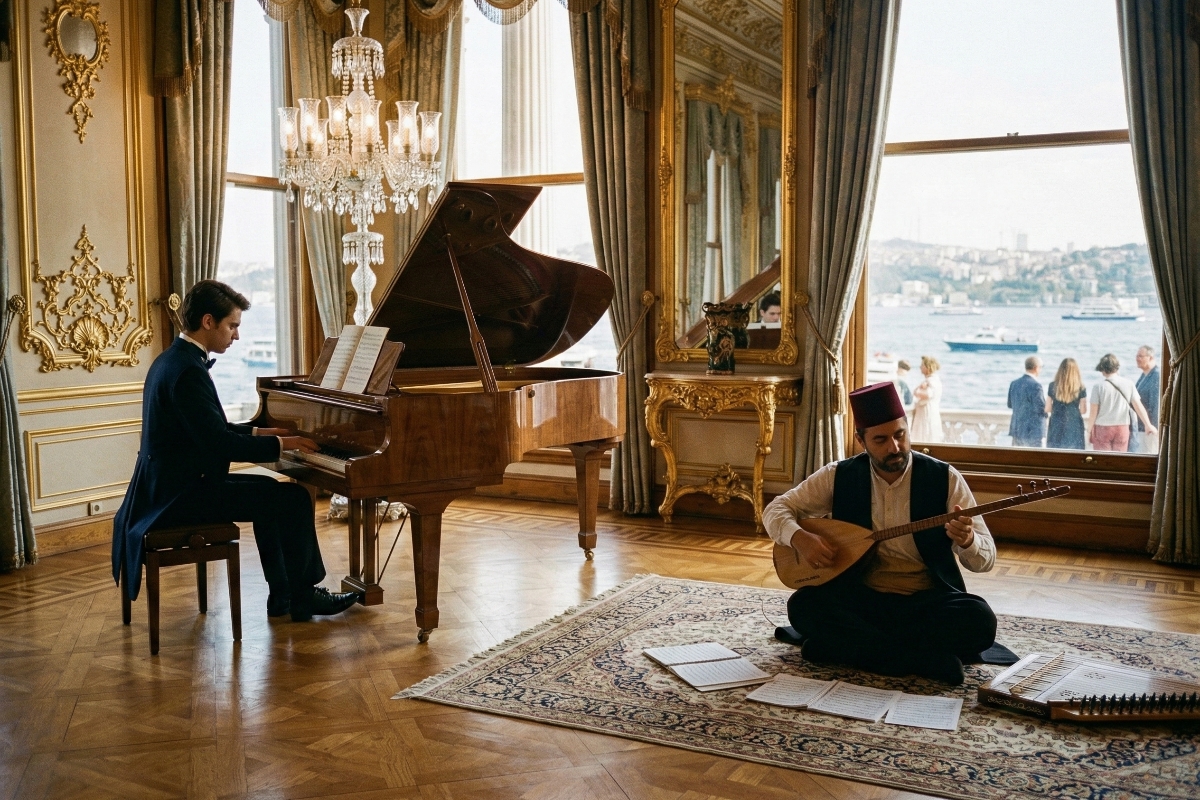
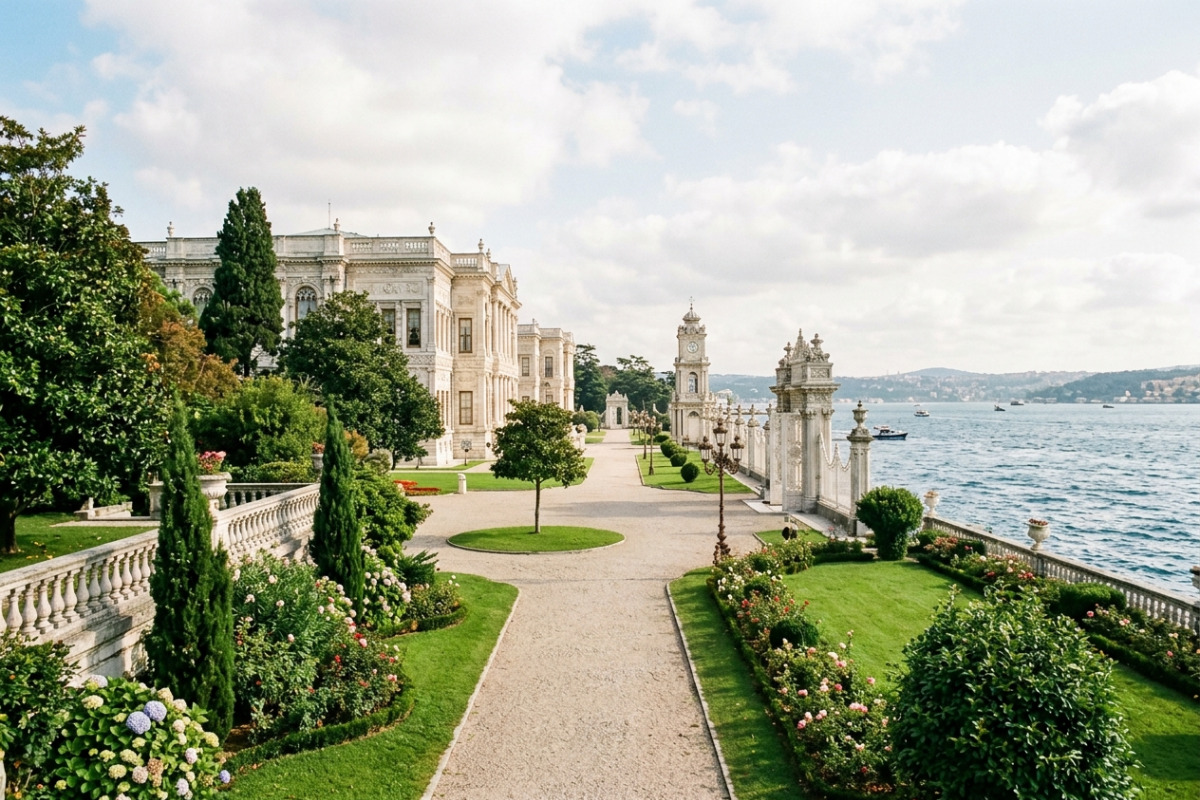
On the shores of the Bosphorus in Istanbul, when you step through the gates of that majestic structure that blends with the blue of the sea, you encounter not only an architectural masterpiece; you face the embodied form of an empire's cultural transformation. Dolmabahçe Palace is not merely a building of stone and marble; it is the most elegant symbol of the period when the Ottoman world turned toward the West. This symbolic shift is felt most strongly in the palace's corridors, reception halls and harem apartments through music. After the inward-looking, mystical and traditional atmosphere of Topkapı Palace, Dolmabahçe opens its windows to the world like a brand-new stage where waltzes and operas echo. Today, walking through these halls, it is impossible not to hear the melodies of the past. This article delves into the fascinating musical transformation that took place within Dolmabahçe Palace, exploring the shift from traditional Ottoman music (Alaturka) to Western-influenced styles (Alafranga).
From Topkapı to Dolmabahçe: A Change of Mindset and Space
In the Ottoman Empire, music was transmitted for centuries through the 'meşk' system, a master-apprentice relationship passed down from generation to generation. This system emphasized oral transmission and improvisation within established musical modes (makams). However, the 19th century was a period when radical decisions were made in all fields, including the arts. The modernization movements that began with Sultan Mahmud II reached their peak with Sultan Abdülmecid having Dolmabahçe Palace constructed. This change of location was not only a change of the ruler's residence but also an evolution of lifestyle and artistic sensibility from 'Alaturka' to 'Alafranga'. Now, the palace was filled not only with the sounds of tambur, ney or oud; the tapping of piano keys, the moan of violins and the majestic harmony of orchestras began to be heard.
This transition process points to the birth of a rich synthesis rather than a rejection. Ottoman sultans integrated Western musical techniques and instruments into palace life without severing their own roots. Dolmabahçe's high-ceilinged, crystal-chandeliered halls provided a perfect acoustic response to the needs of this new music. The Baroque and Rococo influences in the palace's architecture seem to dance with the polyphonic structure of the music. These walls hosted both the works of Dede Efendi (1778-1846), a master of Turkish classical music known for his contributions to the development of the Turkish art music, and the operas of Rossini with equal respect.
The Imperial Band: The Palace's Western Face
The heart of the musical revolution at Dolmabahçe Palace was undoubtedly the Imperial Band (Mızıka-i Hümayun) organization. Replacing the Janissary band after the abolition of the Janissary corps, this institution functioned as a modern military band and orchestra school. Italian musicians appointed to lead this institution changed the destiny of Ottoman palace music. In particular, Giuseppe Donizetti (Donizetti Pasha) (1788-1856), brother of the famous opera composer Gaetano Donizetti, and later Callisto Guatelli (Guatelli Pasha) laid the foundations of Western music education at the palace. Donizetti Pasha served as the director of the Imperial Band from 1828 until his death in 1856. Thanks to them, notation entered the palace, and written musical culture was added alongside the oral transmission tradition. Donizetti Pasha not only trained musicians but also composed numerous marches and pieces for the Imperial Band, including the "Mahmudiye March" (Wright, 2005).
The Imperial Band's influence in the palace was not limited to military bands; it penetrated daily palace life with delicate chamber ensembles and small orchestras. We can summarize the musical changes that took place in the palace during this period as follows:
- Education System: Transition from the meşk method to modern music education based on notation and theory. The meşk system, while valuable for preserving tradition, lacked a standardized curriculum. The new system introduced structured lessons and examinations.
- Instrument Diversity: Western instruments such as piano, cello, flute and clarinet were added alongside traditional instruments. The introduction of the piano, in particular, opened up new possibilities for composition and performance.
- Repertoire Expansion: Palace concerts began to include overtures, marches and waltzes from European operas alongside pieces of Turkish makam music. Operas by composers like Rossini and Verdi became popular.
- Compositional Approach: Sultans and princes began composing not only in Turkish musical forms but also in Western forms (march, polka, waltz). Sultan Abdülmecid himself was known to compose waltzes.
The Sultans' Passion for Music and Composer Sovereigns
The main reason music rose to such prominence at Dolmabahçe Palace was the sultans' own deep passion for music. Ottoman rulers were not only excellent listeners but also skilled performers and composers. Sultan Abdülmecid (1823-1861) showed great interest in Western music and the piano and encouraged piano lessons at the palace. Although he was not a great pianist himself, he ensured his children received Western music education, cultivating future art-loving sovereigns. It is important to understand his vision by noting that renowned virtuosos such as Franz Liszt were hosted and performed at the palace during his reign. Liszt's visit in 1847 was a significant event, showcasing the Sultan's commitment to embracing Western arts (Walker, 1987).
Another significant figure was Sultan Abdülaziz. Mastering both traditional Turkish music and closely following Western music, Sultan Abdülaziz succeeded in blending both cultures in his compositions. He played the piano and composed both in Turkish and Western styles. One of his notable compositions is the “Şevkefza Sirto,” a piece that exemplifies the fusion of Turkish and Western musical elements. When his works resonated in Dolmabahçe's magnificent Ceremonial Hall, they demonstrated the most graceful examples of East-West synthesis. Sultan Abdul Hamid II was known for his fondness for opera and theater. Although he later moved to Yıldız Palace, he ensured the musical infrastructure at Dolmabahçe was preserved and placed great importance on his children's piano and violin education.
Comparing Alaturka and Alafranga Music Cultures
To better see this transition in the palace, we can compare the traditional structure with the newly adopted one:
| Feature | Alaturka (Traditional) | Alafranga (Western Style) |
| Main Instruments | Tambur, Ney, Oud, Kanun, Kettledrum | Piano, Violin, Cello, Flute, Trumpet |
| Learning Method | Meşk (Master-apprentice, learning by ear) | Notation training, method books, conservatory-style |
| Musical Structure | Makam system, monophony | Tonal system, polyphony, harmony |
| Performance Venues | Private chamber, more intimate and small rooms | Large halls, theaters, ballroom venues |
The First Pianos in the Palace and Music in the Harem
Pianos hold a unique place in Dolmabahçe Palace's musical history. The first pianos brought into the palace were not only musical instruments but also pieces of furniture and status symbols. Sultan Mahmud II is credited with introducing the first piano to the Ottoman court, paving the way for its integration into palace life (Goodwin, 1998). The piano in the harem became part of the education of the modernizing Ottoman woman. The sultan's daughters, wives and concubines took piano lessons from European teachers or palace instructors. Hearing Chopin nocturnes or simple etudes in the harem's secret corridors signaled the changing roles of women in social life.
Today, the mother-of-pearl inlaid, gold-leafed and specially decorated pianos you can see when visiting the palace carry the elegance of that era into the present. These instruments were carefully chosen not only for making music but also to complement the palace's visual splendor. The women's orchestra formed in the harem was an important step that questioned and advanced women's place in the performing arts in the Ottoman realm. The unifying power of music became the harem's window to the world beyond its walls.
Tracing the Traces of Music in Dolmabahçe Today
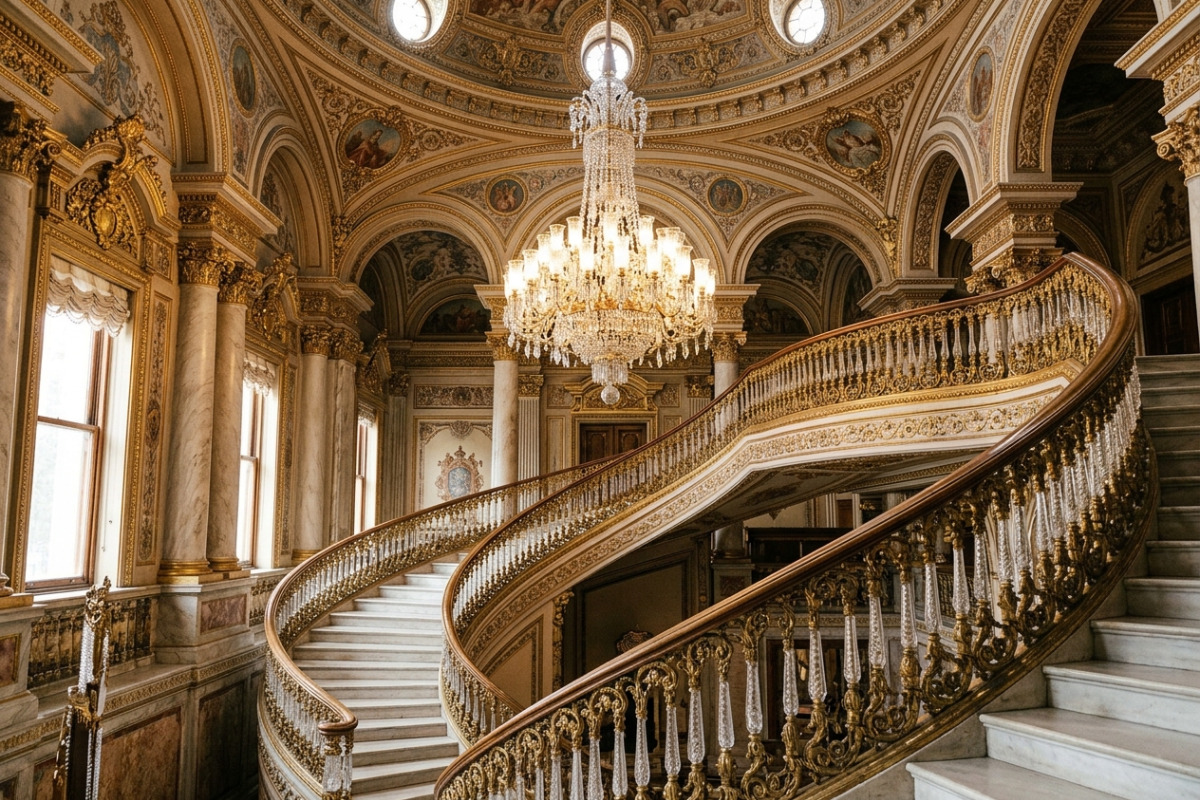
For a traveler visiting Dolmabahçe Palace today, feeling this musical past is not difficult. Climbing the Crystal Staircase, you might imagine the waltzes of a ball night as if preparing for an evening. Standing under the vast dome of the Ceremonial Hall, you can evoke in your mind the echoes of the Imperial Band's majestic marches. The scores, compositions and instruments displayed in the palace collection are silent witnesses to this profound change.
The transition from Alaturka to Alafranga is not a story of one culture erasing another but of creating a new flavor filtered through Ottoman aesthetics. Dolmabahçe Palace is the tangible form of that synthesis in stone, wood and, most importantly, sound. While touring this unique palace of Istanbul, try to touch the spirit of the era not only with your eyes but also with your ears and your heart. Perhaps amid the wind's murmur you might hear a composition by Sultan Abdülaziz or a march by Donizetti Pasha.
References
- Goodwin, G. (1998). The Private World of Ottoman Women. Saqi Books.
- Walker, A. (1987). Franz Liszt: The Virtuoso Years, 1811-1847. Cornell University Press.
- Wright, C. (2005). Music and Ceremony at the Ottoman Court: The Case of the Sultan's Musicians. Routledge.
Further Reading
- Erol, E. (2015). Ottoman Music: A Historical Overview. Pan Yayıncılık.
Related Posts
Back to All Posts
Browse Other Stories
Discover the history in other corners of the palace.