Architectural Details of Dolmabahçe Palace: Baroque and Neoclassical Influences
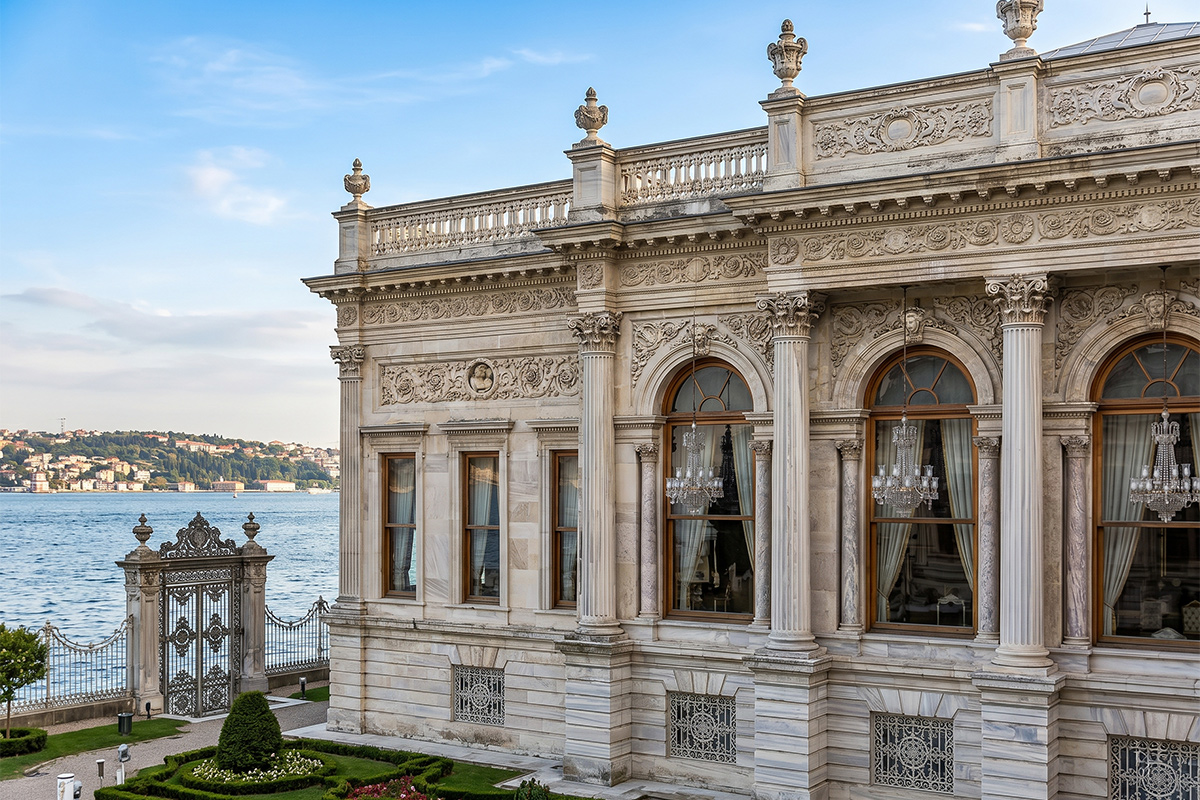
Dolmabahçe Palace is not just a building; it is an architectural masterpiece that reflects the elegance and art of the Ottoman Empire. In this article, we will explore the architectural details of the palace, delving into the styles and techniques used. You will gain insight into the historical and cultural significance of this structure where Baroque and Neoclassical influences come together.
Architectural Style of Dolmabahçe Palace
Dolmabahçe Palace stands out as a structure where Baroque and Neoclassical architectural styles are blended. The rich decorations of the Baroque style, the grand marble columns, and expansive courtyards enhance the palace's magnificence. This style emerged in the mid-19th century as a result of the Ottoman Empire's interaction with the West, creating a unique touch within the palace.
The Neoclassical influences are evident in the palace's overall symmetrical structure and interior arrangements. High ceilings, large windows, and regular forms are characteristic features of this style. Dolmabahçe Palace offers a perfect synthesis of these two styles, becoming both an aesthetically pleasing and functional structure.
Interior Design and Decorations
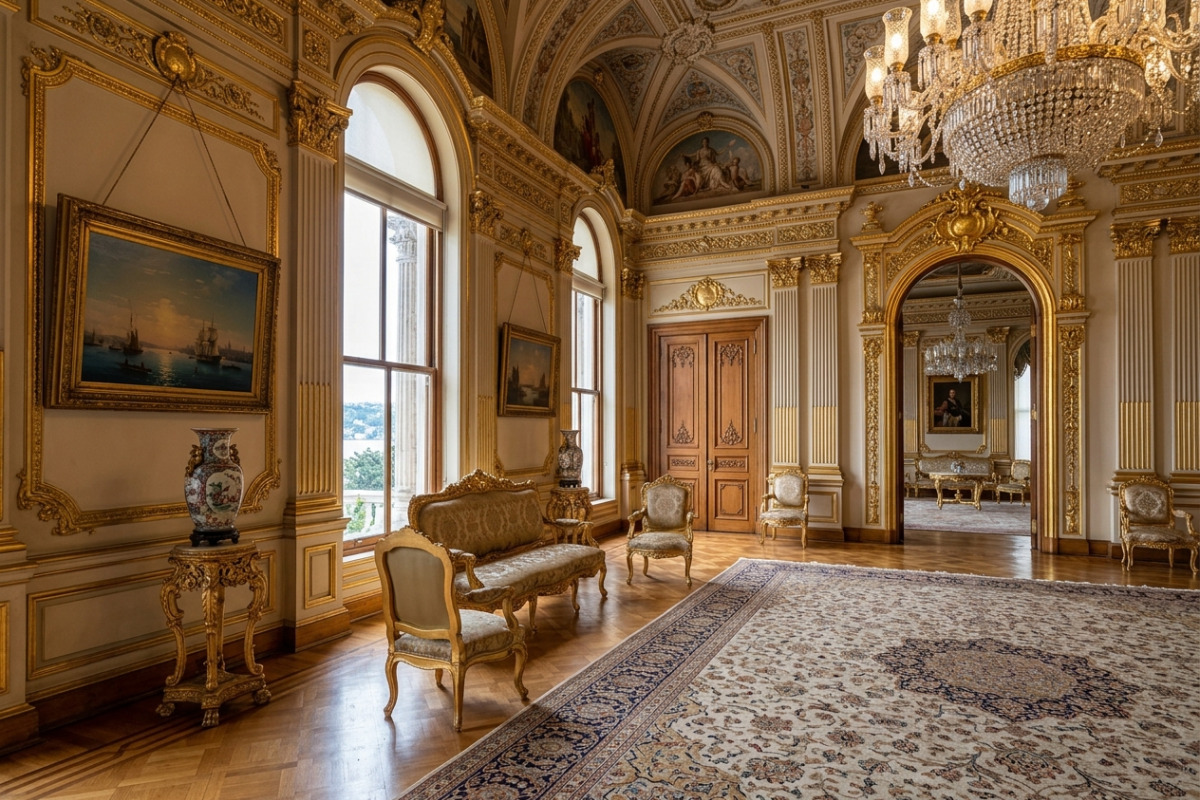
The interiors of the palace present themselves as magnificent works of art. The carved decorations on the walls, gold leaf, and rich textile textures enchant visitors. Especially noteworthy is the 4.5-ton chandelier in the Muayede Hall, which serves as one of the central elements of the interior. This chandelier was brought from Austria and has hosted the most significant ceremonies of the palace.
The interiors of Dolmabahçe Palace are adorned with paintings, sculptures, and other artworks that reflect the artistic movements of the time. Each detail showcases the cultural richness and aesthetic understanding of the Ottoman Empire. Your time spent in the palace allows you to feel the traces of the past.
Exterior Architecture of Dolmabahçe Palace
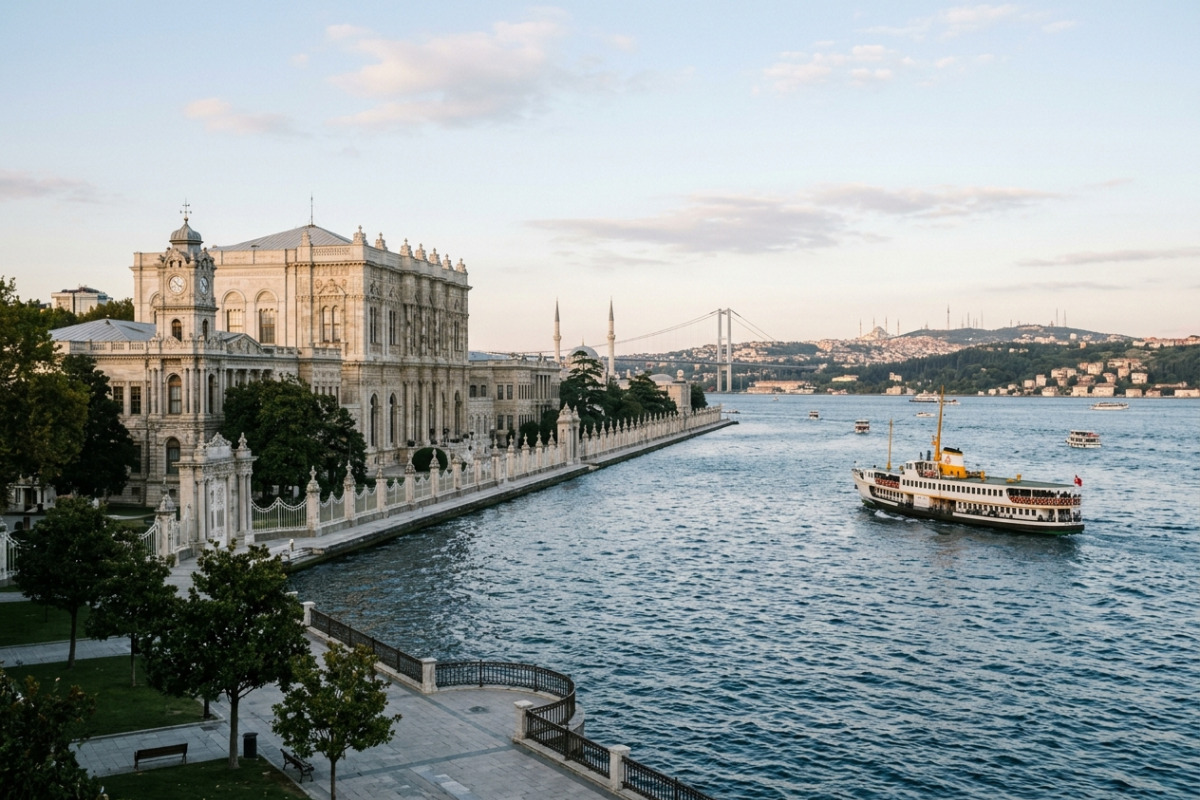
The palace's exterior architecture is particularly impressive due to its seaside location, offering a stunning view. The exterior structure of the palace, built from white marble, merges with the unique view of the Bosphorus, providing both visual and structural strength. The facade of the palace captivates with its simple yet elegant lines.
From the outside, the palace’s grand doors and magnificent staircases emphasize its splendor, while the gardens draw attention with their natural beauty. The arrangements in the gardens are filled with plants that showcase the botanical richness of the Ottomans. The exterior architecture of the palace combines functionality and aesthetics, providing visitors with an unforgettable experience.
How to Visit Dolmabahçe Palace?
Don’t forget that you need to purchase tickets in advance to visit Dolmabahçe Palace. You can get your tickets by clicking here to explore the palace's mesmerizing interiors and historical atmosphere. If you’d like to find out more about visitor information and the sections of the palace, you can check the visitor information page.
Conclusion: The Significance of Dolmabahçe Palace and the Need to Visit
Dolmabahçe Palace is more than just an architectural structure; it is a symbol reflecting the cultural and historical richness of the Ottoman Empire. The architecture enriched with Baroque and Neoclassical influences offers a unique experience for history enthusiasts and art lovers. If you are in Istanbul, don’t miss the chance to see this magnificent structure. To discover the beauty of Dolmabahçe Palace and witness its history, you can get your tickets here.
Related Posts
Back to All Posts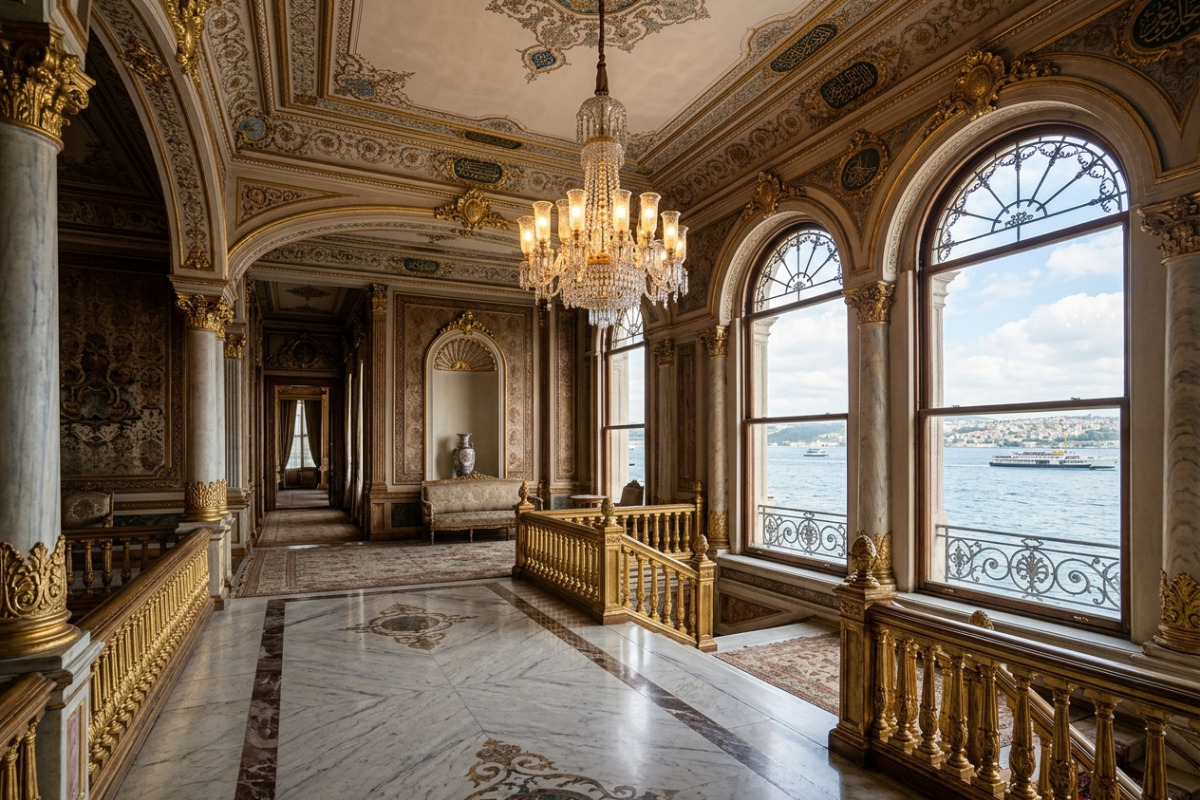
Browse Other Stories
Discover the history in other corners of the palace.