Beşiktaş's Hidden Paradise: Ihlamur Pavilions and Hasbahçe Delights
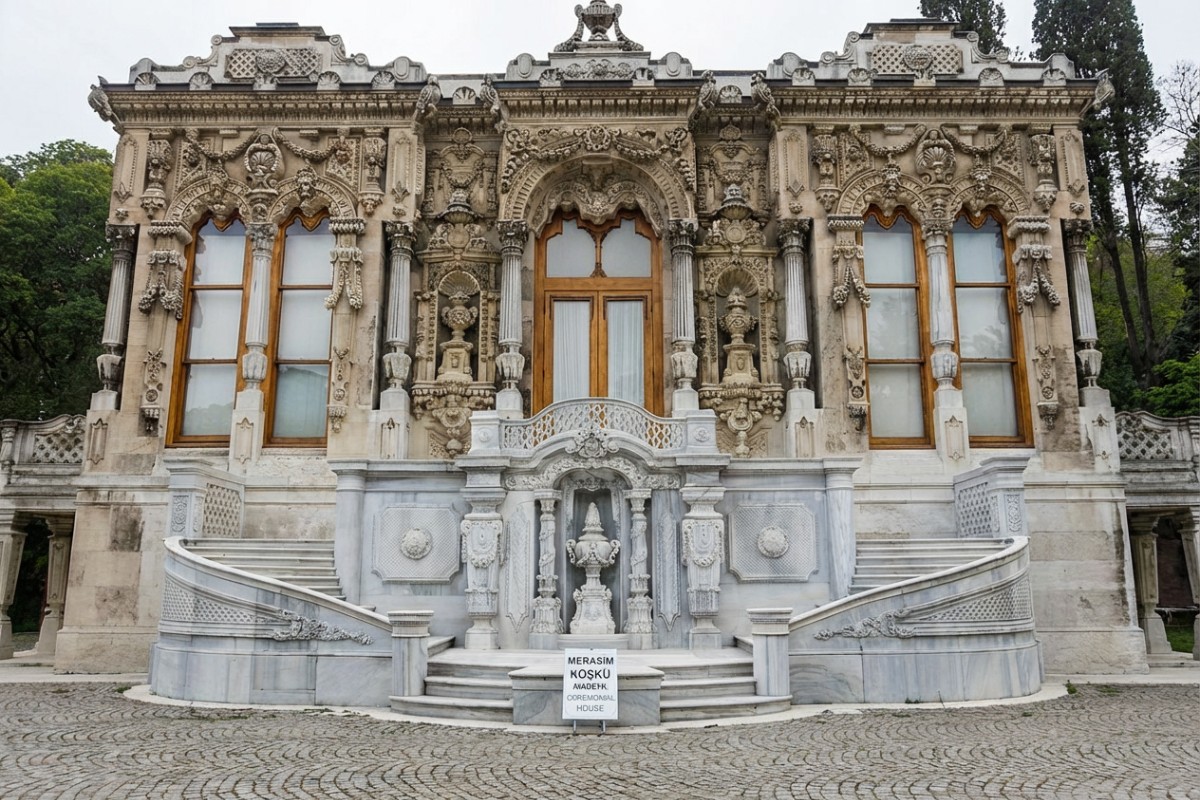
Did you know that just a few minutes away from the noise of the market in Beşiktaş, one of Istanbul's busiest, liveliest, and sometimes most chaotic districts, you can step into a different century? The Ihlamur Pavilions, nestled among the streets jammed with concrete, welcome you with birdsong and the shade of ancient trees as soon as you enter their gates, functioning as a genuine oasis. For those who yearn for a calmer, more human-scale Ottoman atmosphere after the grandeur and sometimes overwhelming splendor of the palace, these pavilions, within walking distance, are a perfect retreat to soothe the soul. This place is not just a museum; it is a peace harbor where history is embraced by greenery and time flows a bit slower.
A Breathing Spot in the Shadow of History: Ihlamur Valley
Although today surrounded by tall buildings, the area where the Ihlamur Pavilions stand was once known as the Hacı Hüseyin Gardens, a lush recreation area through which the Fulya River flowed, up to the 19th century. The pavilions, built during the reign of Sultan Abdulmecid to crown this natural beauty, have continued to reflect Ottoman refined taste from then to today. Escaping the majestic and formal aura of Dolmabahçe Palace, this area offers the sultan a more civil, relaxed breath, and now continues to provide visitors with the same sense of openness. Especially in the spring, as the scent of linden trees and historic magnolias envelops the valley, a walk here can make you momentarily forget you are in Istanbul.
Two Distinct Worlds: The Merasim and Maiyet Pavilions
The Ihlamur Pavilions essentially consist of two main structures: the Merasim Pavilion and the Maiyet Pavilion. Though they share an inner courtyard, these two buildings differ in architectural styles and purposes. Observing this difference during your visit is quite enjoyable for understanding the lifestyle of the era.
The Baroque Allure of the Merasim Pavilion
As you enter through the main door, you are greeted by the Merasim Pavilion with its imposing presence. As the name suggests, this is the formal reception building where the sultan held official audiences, hosted guests, and organized ceremonial events. Architecturally, Western influence blends Baroque and Empire styles with Ottoman aesthetics, and the exterior's heavy stonework dazzles the eye. From its stairs you may feel like you are on the set of a period film. The interior is furnished with crystal chandeliers, Hereke carpets, and European-made furniture. The Merasim Pavilion exudes a stance of "I am here and I am very powerful"; however, this display of power is more intimate and graceful compared with Dolmabahçe.
The Modest Elegance of the Maiyet Pavilion
A bit further along from the Merasim Pavilion, this building is simpler and evokes a warmer, more "domestic" feel. This is where the sultan's entourage, that is, his accompanying officials and sometimes members of the harem, stayed. The exterior decorations are more understated, but this simplicity lends it a distinct majesty. The two-story structure today houses sections that function as a cafe during the winter months, inviting visitors to spend more time here. The Maiyet Pavilion’s windows open to the Hasbahçe greenery, and the interior atmosphere resembles a warm, informal Ottoman home rather than a formal space.
Facing Nature in Hasbahçe
To think of Ihlamur Pavilions as just buildings would be a mistake. The true magic lies in the wide garden surrounding these structures, known as Hasbahçe. After admiring the elegant architecture of the Merasim and Maiyet Pavilions, surrender yourself to the embrace of this garden. Peacocks, ducks, and rabbits roam freely, offering cheerful moments for families with children and photography enthusiasts alike.
The garden's landscaping is not a random assortment of trees. Many of the trees here are monumental trees. In particular, the historic magnolias, when in bloom (usually early spring), present visitors with a visual feast. Walking under these trees is like tracing the footsteps of sultans who walked here 170 years ago. Sitting by the pool in the garden and listening to the water creates a meditation-like effect in the heart of the city.
Beauties You Can See in the Ihlamur Pavilions Garden:
- Historic Magnolias: Gigantic-trunked trees that have adorned the garden for more than a century.
- Peacocks: Permanent residents of the garden, birds that pose with colorful feathers. They are especially mesmerizing when they unfurl their plumage in the morning sunlight.
- Ornamental Pool: A tranquil water feature in front of the Maiyet Pavilion, surrounded by flowers.
- Ihlamur Trees: The trees that give the place its name and smell wonderful in the summer.
A Rest in a Historic Atmosphere: Café Break
Perhaps the sweetest part of the visit is the cafe section where you can unwind. You can take a peaceful break under the historic magnolias and sip your Turkish coffee served in porcelain cups. This is far from an ordinary cafe experience. With a historic pavilion behind you, a lush garden in front of you, and birdsong in your ears, even the taste of the tea is different.
The cafe menu typically includes breakfast plates, toasts, sweets, and warm and cold beverages. Prices are reasonable compared with many luxury venues in Istanbul, and the atmosphere it offers is priceless. It is especially popular for weekend breakfasts and, if you go early, ideal for enjoying tranquility. You can sit for hours with your book; in summer it is cool, in winter (in the Maiyet Pavilion's winter conservatory) a warm refuge. Visitor Tip: In spring, while seated at the cafe, you can pick up fallen lilac blossoms as keepsakes. This is a small memory you can take from the Ihlamur Pavilions to your home.
| Feature | Merasim Pavilion | Maiyet Pavilion |
| Purpose | Official ceremonies, receptions | Harem and entourage residence |
| Architectural Style | Baroque and Empire, ornate façade | Str simpler, traditional civic architecture |
| Atmosphere | Magnificent, impressive, formal | Warm, intimate, serene |
| Visit Status | Can be toured as a museum | Cafe and relaxation area |
Tips for Visitors
To ensure your visit to the Ihlamur Pavilions goes smoothly, pay attention to a few small details. Access is quite easy from Beşiktaş market toward Akaretler, or down from Yıldız. If you come by public transport, a 10-15 minute walk from Beşiktaş Square awaits you.
- Museum Pass Benefit: The Museum Pass is generally valid at entrances, but different rules may apply for the garden entrance and the pavilions. Confirm the current status at the ticket desk.
- Photography: Photographing in the garden is allowed and you can capture wonderful shots. However, inside the pavilions, especially in the Merasim Pavilion, flash photography or professional equipment may not be permitted. Visual Content Suggestion: Share your best Ihlamur Pavilions photos with the #IhlamurPavilions tag on social media to inspire other visitors.
- Timing: On weekends, especially in good weather, crowds can be heavier in the afternoon. If you want to retreat for some peace, weekday mornings or weekend opening hours (usually around 09:00) are ideal.
- Conservation Awareness: This is living history. Avoid harming the garden plants, disturbing the peacocks, and showing respect for the historic fabric; it is everyone's responsibility to preserve this beauty for future generations.
In conclusion, the Ihlamur Pavilions are a hidden treasure in the heart of Beşiktaş waiting to be explored. Whether you are an architecture enthusiast, a nature lover, or a Istanbul resident seeking a quiet corner, these pavilions will offer more than you expect. On your next Beşiktaş visit, redirect your route from the shore a bit more inland toward the direction where the lilac scents come from.
Related Posts
Back to All Posts
Browse Other Stories
Discover the history in other corners of the palace.