Traces of Daily Life at Dolmabahçe Palace
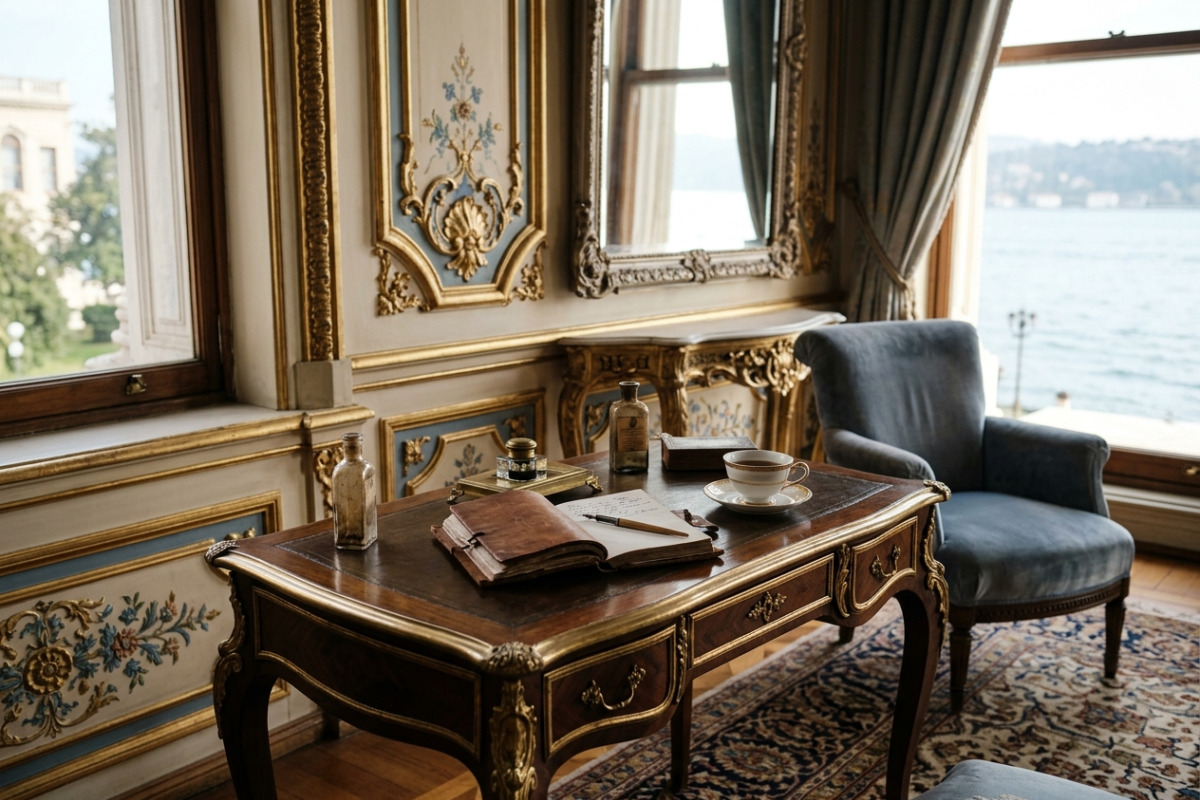
Dolmabahçe Palace stands out as one of the most significant historical structures in our country, built during the final periods of the Ottoman Empire. This palace is remarkable not only for its architecture but also for the traces of daily life it contains. Every moment spent inside the palace opens a window to the daily lives of those who lived here in the past. So, what was daily life like at Dolmabahçe Palace? In this article, we will explore the cultural life within the palace and the traces of that culture.
Dynamics of Ottoman Palace Life
Dolmabahçe Palace draws attention not only for its architectural details but also for the daily lives of the people who lived there. The activities, ceremonies, and social life that took place within the palace encompass many details from the late Ottoman period. Among those residing in the palace were the sultan's family, state officials, and other palace inhabitants. Daily life was shaped by the interactions of these different groups.
Ottoman palace life was not just about luxury and grandeur. It was sometimes lived under strict discipline and a series of rules. Palace residents were required to participate in activities at specific times. This situation affected both social life and daily habits. Understanding the details of life within the palace is essential for better comprehending Ottoman culture.
Daily Ceremonies and Events
Dolmabahçe Palace hosted many important ceremonies. These ceremonies were part of both state affairs and social life. Musical performances, balls, and other events held in the palace reflect the ways in which the residents socialized and had fun. The muayede hall was especially central to such events.
These events not only allowed palace residents to have fun but also helped reinforce their social statuses. Such activities, which became a part of daily life, showcase the cultural diversity and richness of Ottoman society. Events like these at Dolmabahçe Palace provide significant insights into the social dynamics of the period.
Culinary Culture and Palace Cuisine
The palace kitchen is one of the most important elements of the Ottoman Empire. The dishes prepared at Dolmabahçe Palace were notable for their taste and presentation. The kitchen brought together recipes from various cultures, creating a rich culinary culture. Meals were considered not only a physical necessity but also a social event.
Particularly on special days and during events, the meals served were an indispensable part of palace life. High society had the opportunity to showcase their social status through these meals. One of the most delicious aspects of daily life at Dolmabahçe Palace was this sophisticated culinary culture.
Visitor Experience at Dolmabahçe Palace
Visiting Dolmabahçe Palace not only allows you to see its architecture but also offers the chance to explore traces of daily life in this historical venue. Guided tours inside the palace provide many details about the lives of those who lived here in the past. These tours are very beneficial for understanding the lifestyle, musical culture, and social activities of the period.
If you are considering visiting Dolmabahçe Palace, don’t forget to buy a ticket. To learn more about visitor information and details about the palace, click here.
Conclusion
Dolmabahçe Palace is more than just an architectural structure; it is a lens that reflects the culture and daily life of the late Ottoman Empire. Every moment spent here carries the traces of what has been lived throughout history. Learning the details of life within the palace not only helps us understand the past but also sheds light on contemporary culture. Don’t miss the chance to visit Dolmabahçe Palace for a historical and cultural journey.
Related Posts
Back to All Posts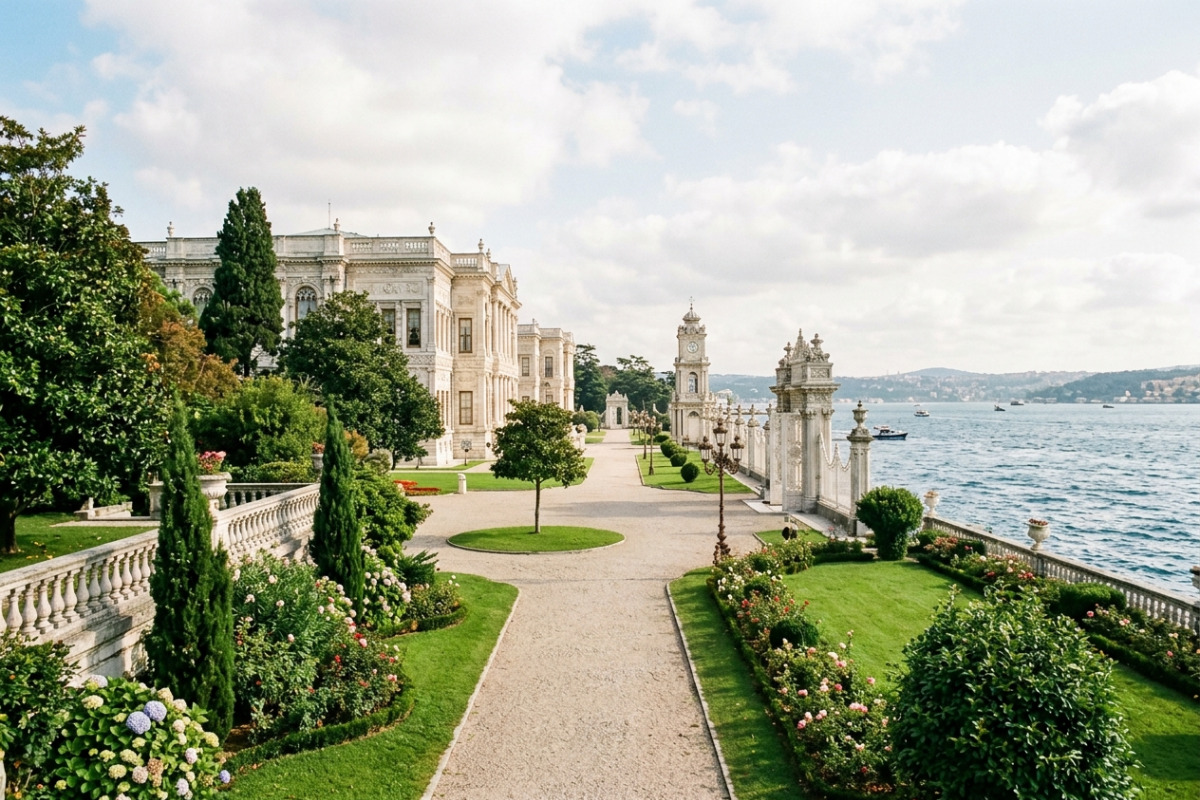
Browse Other Stories
Discover the history in other corners of the palace.